Palermo, Sicily
2023
Palermo is the capital of the island of Sicily, and claims to be the birthplace of cannoli.
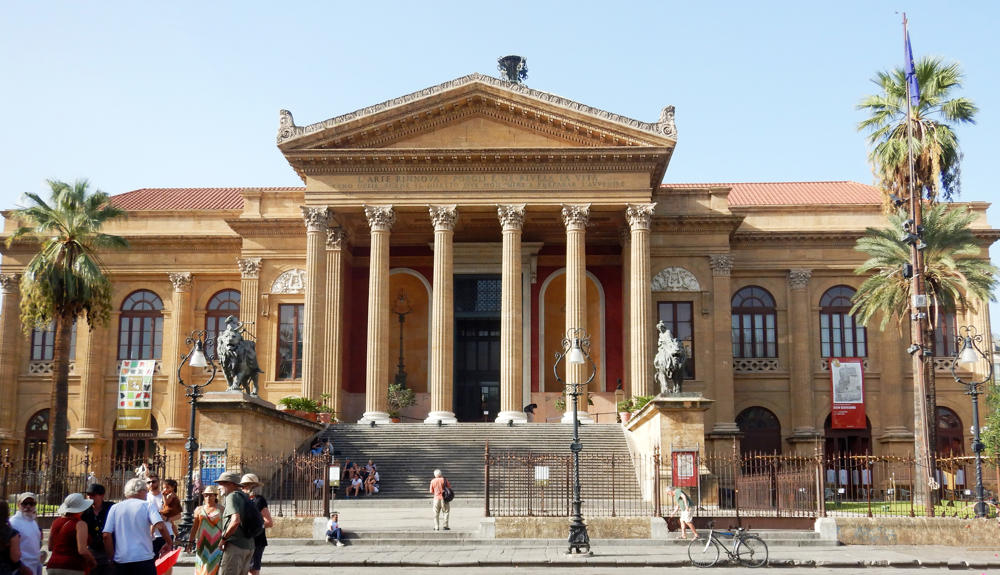
The Teatro Massimo Vittorio Emanuele is the biggest in Italy, and one of the largest in Europe, renowned for its perfect acoustics
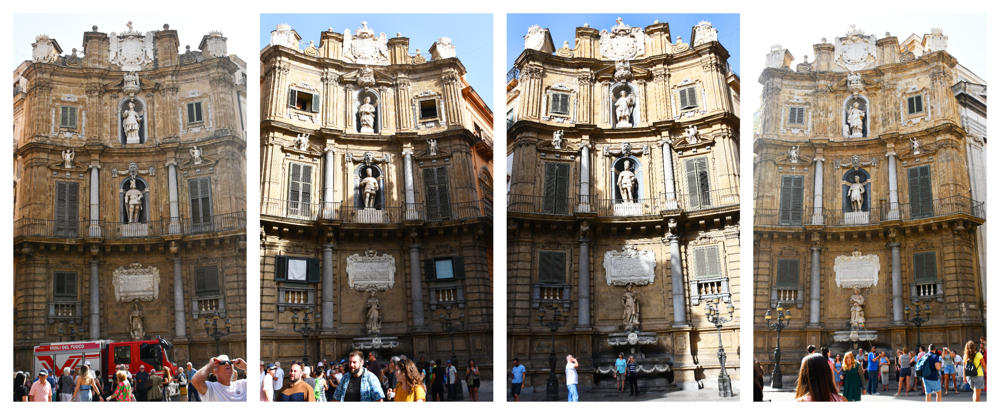
Quattro Canti (Four Corners) is a Baroque square in Palermo; it is considered the center of the historic quarters of the city

Chiesa della Madonna della Mazza

Chiesa della Madonna della Mazza
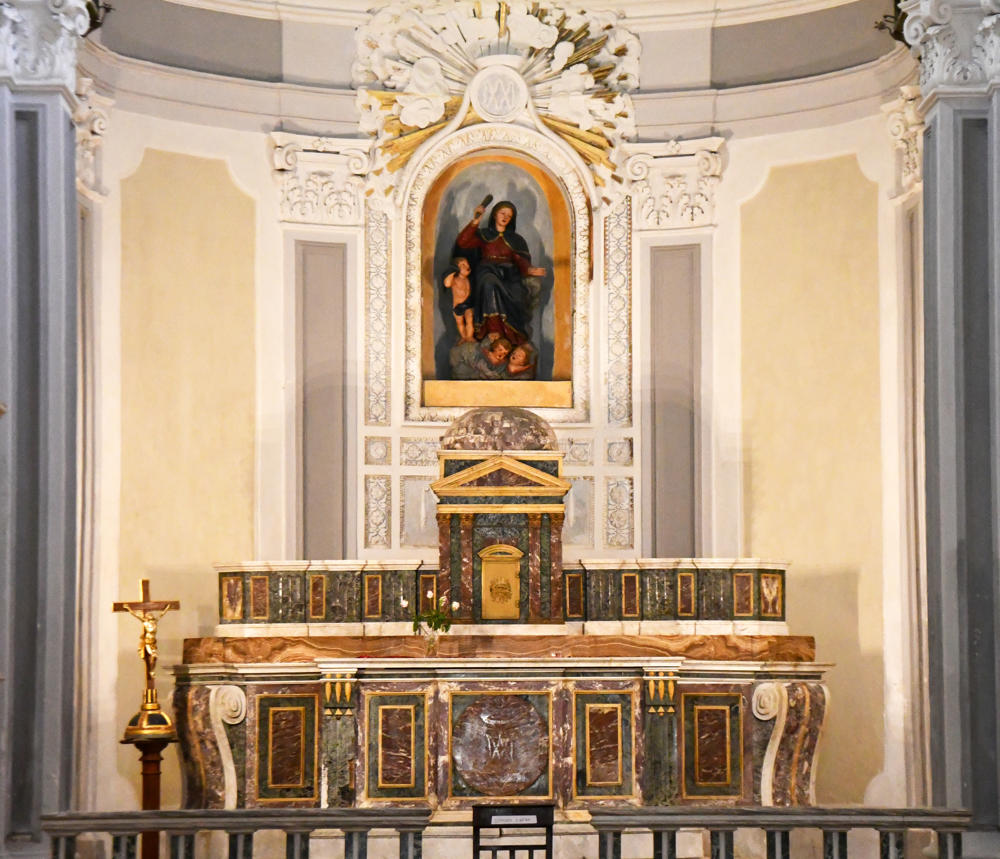
Chiesa della Madonna della Mazza

Chiesa della Madonna della Mazza

I believe this is city hall, in any case, a government building.
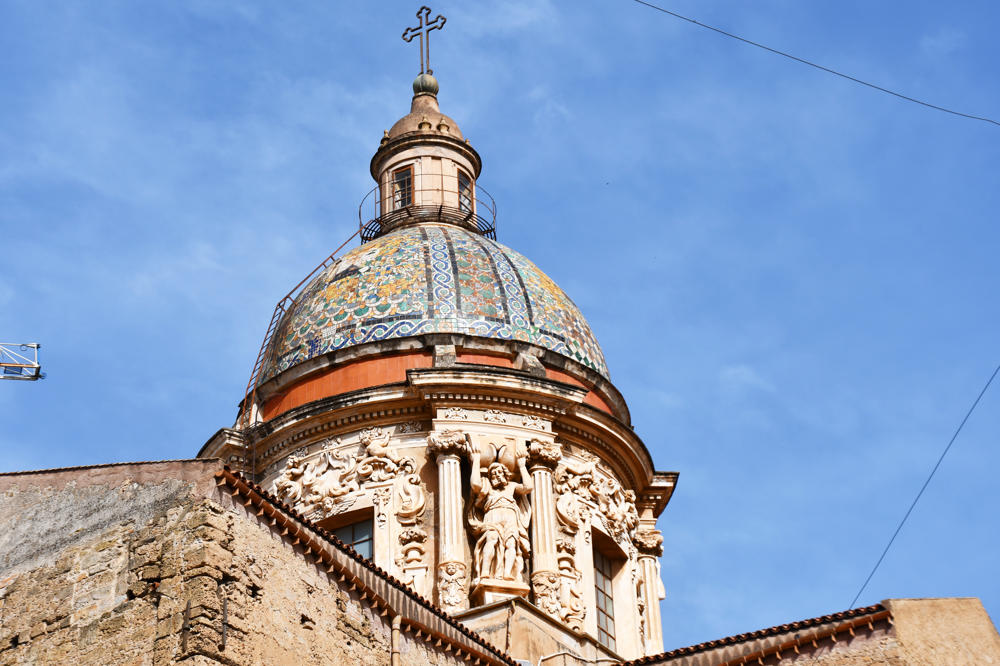
Chiesa del Carmine Maggiore

Chiesa di Santa Maria dell'Ammiraglio (Church of St. Mary of the Admiral). The church is a Italo-Albanian Catholic Church.

Chiesa di Santa Maria dell'Ammiraglio

Chiesa di Santa Maria dell'Ammiraglio
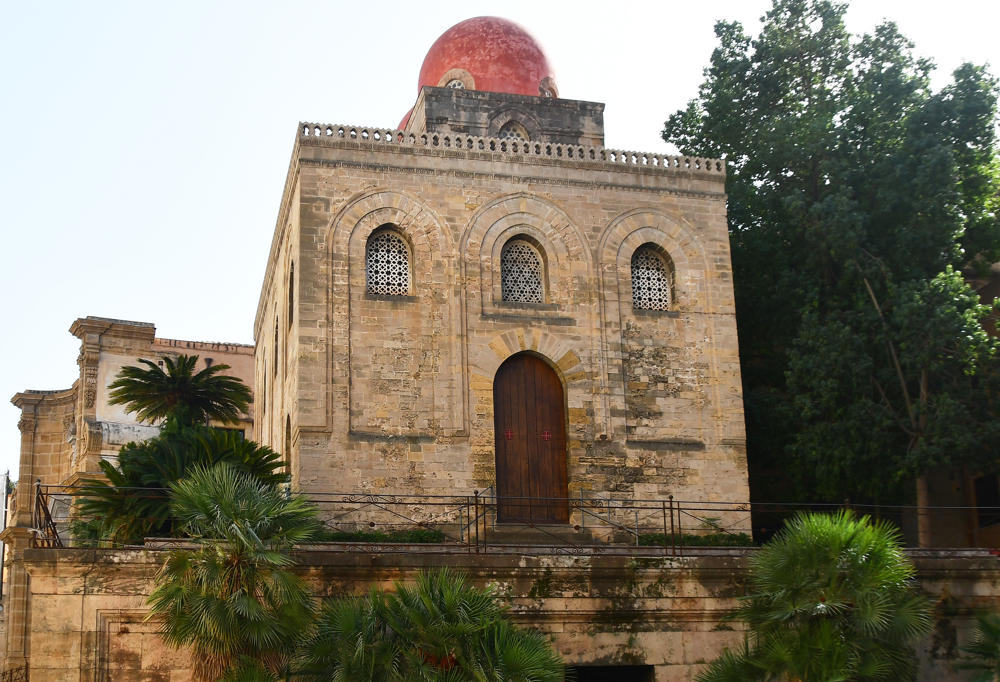
Chiesa di San Cataldo was started in 1154, and belongs to the Order of the Holy Sepulchre.

Chiesa di San Cataldo
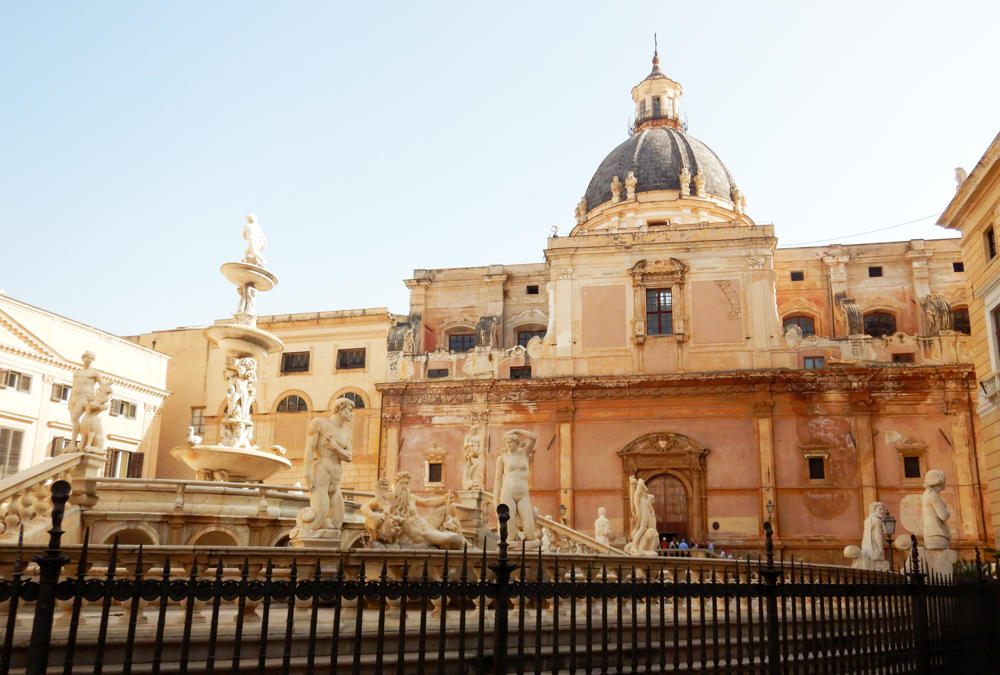
Fontana Pretoria (Praetorian Fountain) - also known as Fontana della Vergogna (Fountain of Shame) because of the nudity

Fontana Pretoria

Fontana Pretoria

Fontana Pretoria
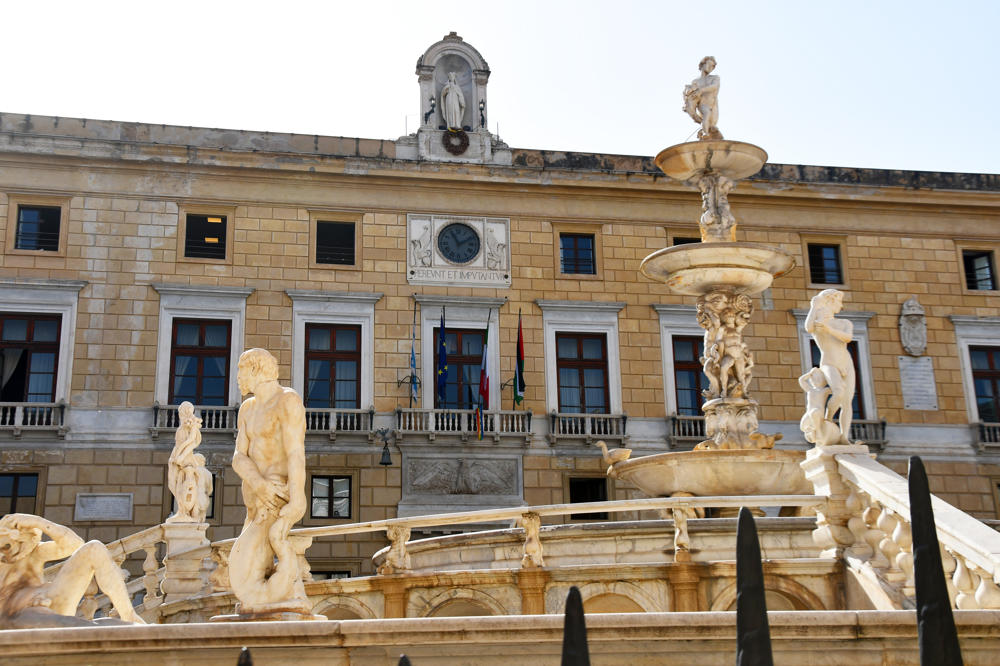
Fontana Pretoria

Fontana Pretoria
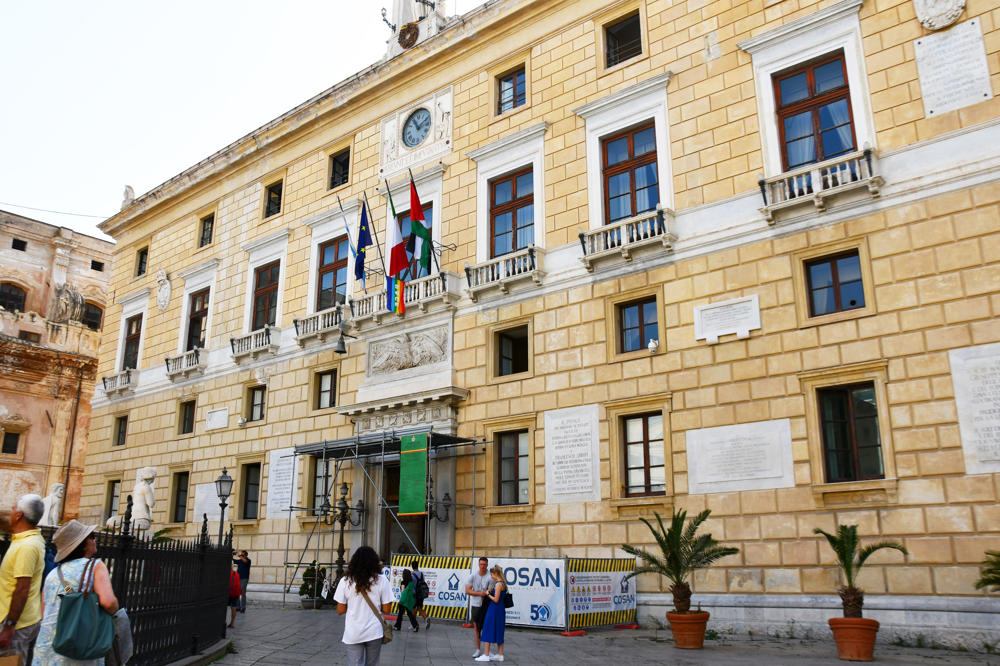
Palazzo Pretorio
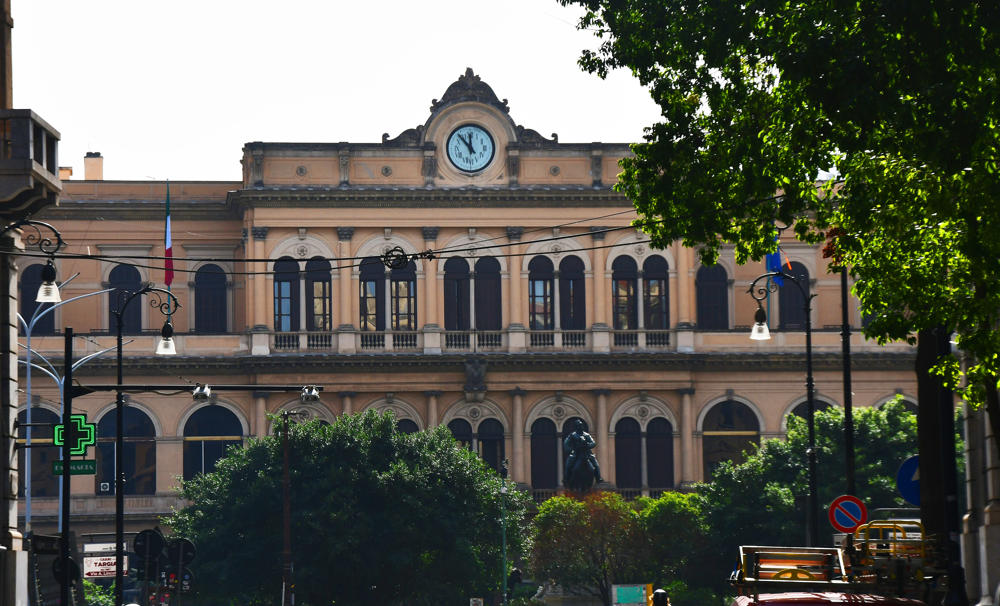
Train station
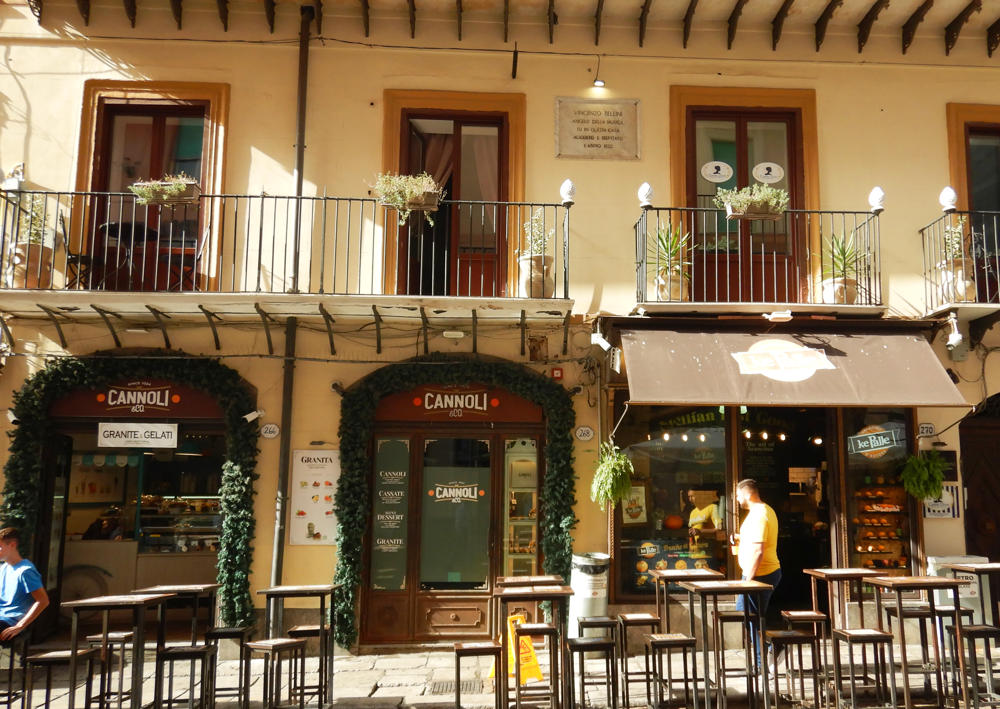
Cannoli is said to have been invented in Palermo, according to the Palermitani

Garibaldi park (one in every Italian city and town....)
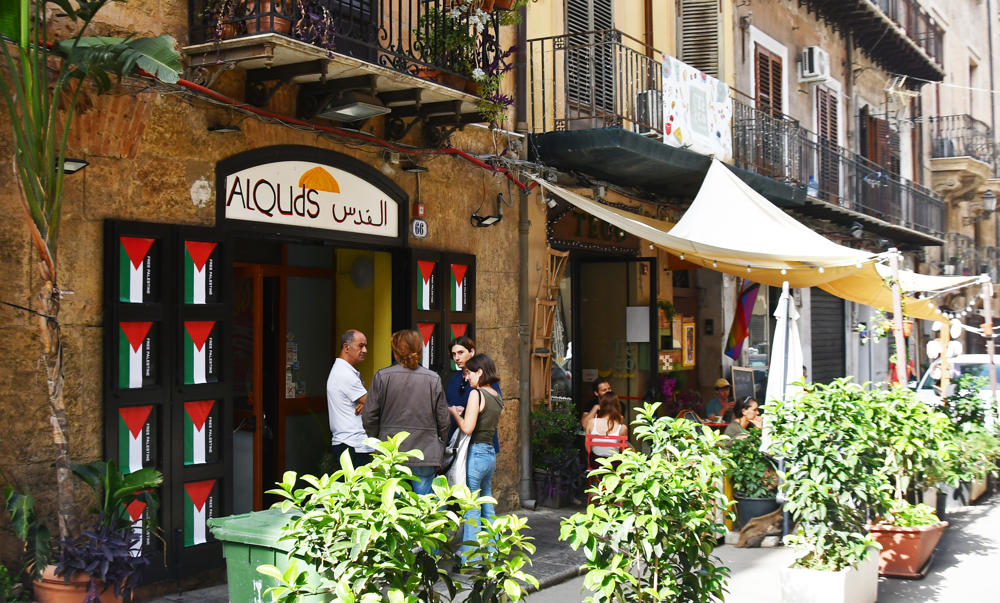
Arab quarter. Note the Palestinian (actually Pan-Arab) flag and the sign reading al-Quds (Arabic for Jerusalem)

Monument: "To the fallen in the fight against the Mafia"
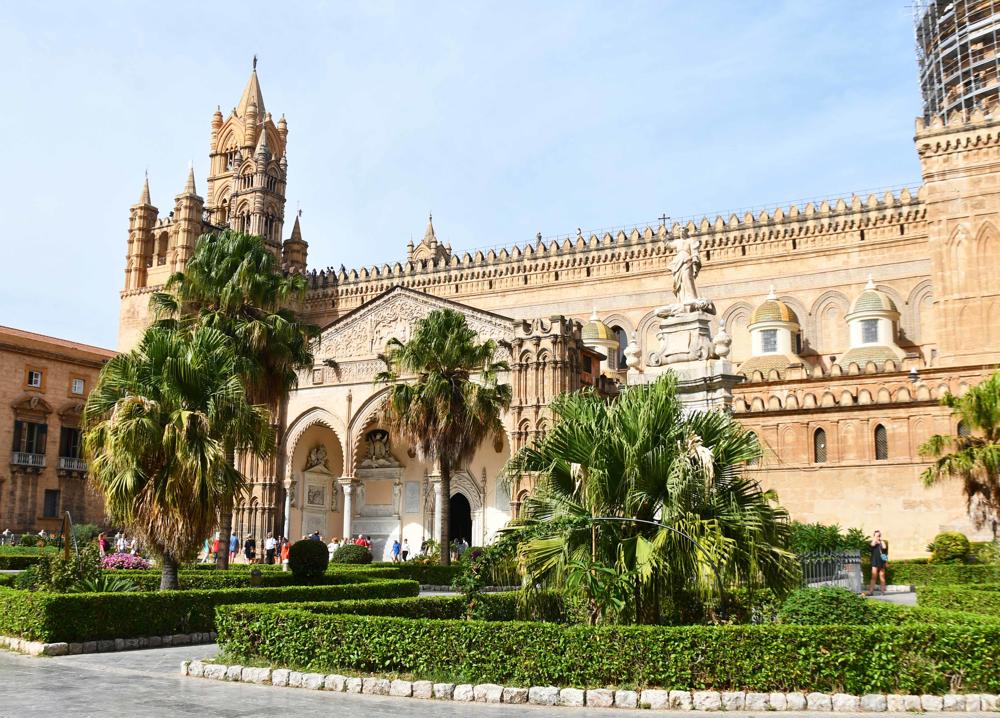
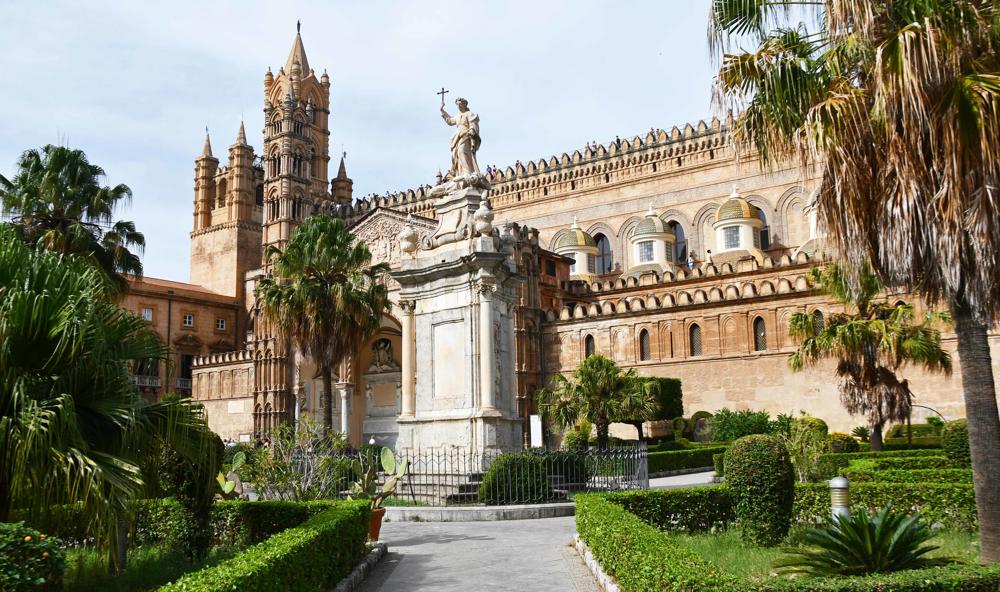
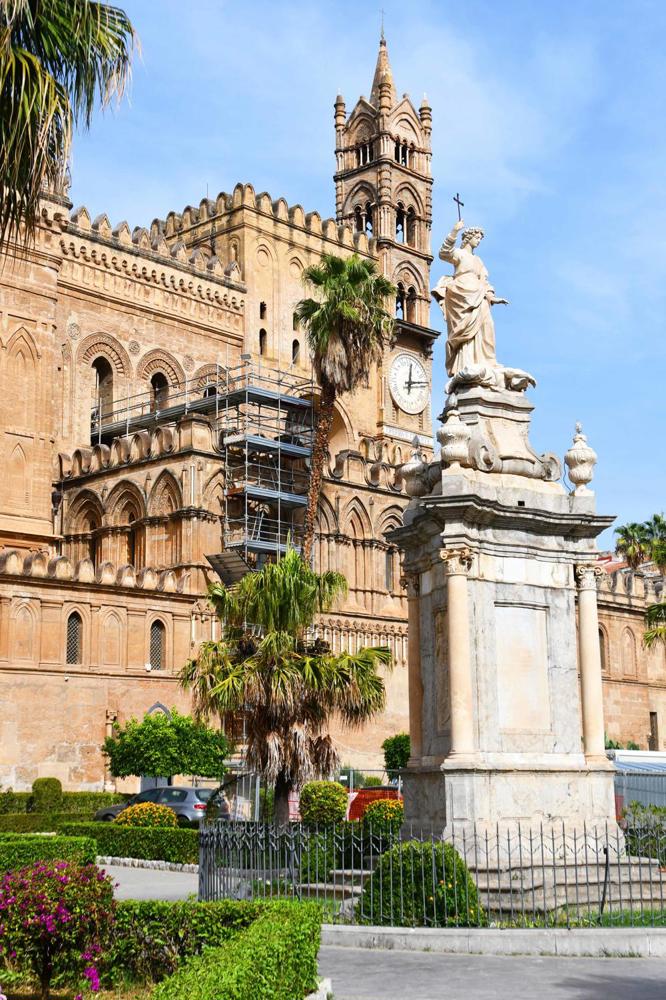
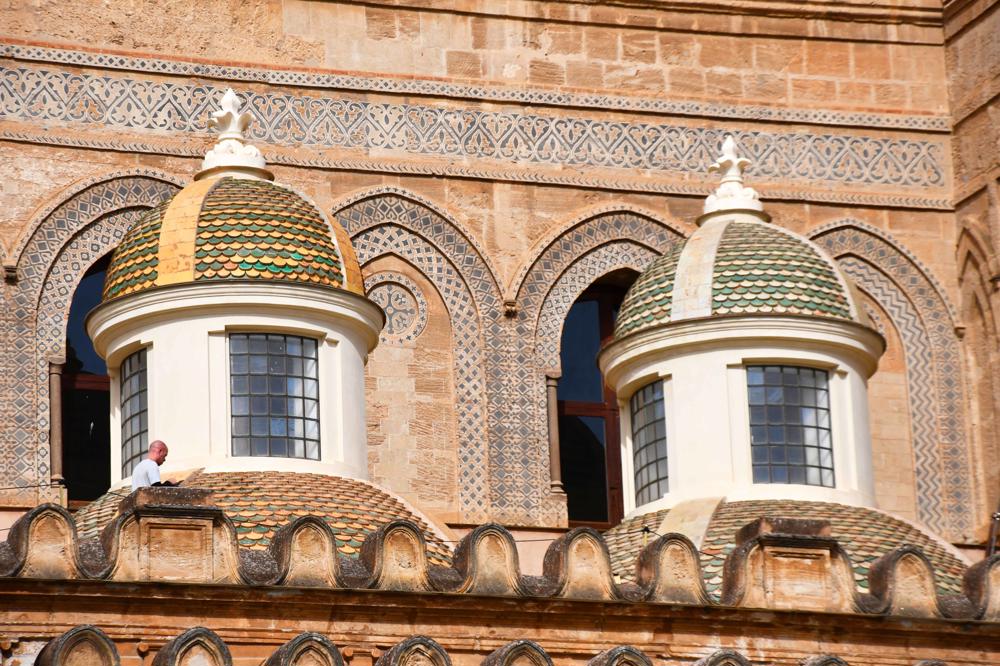
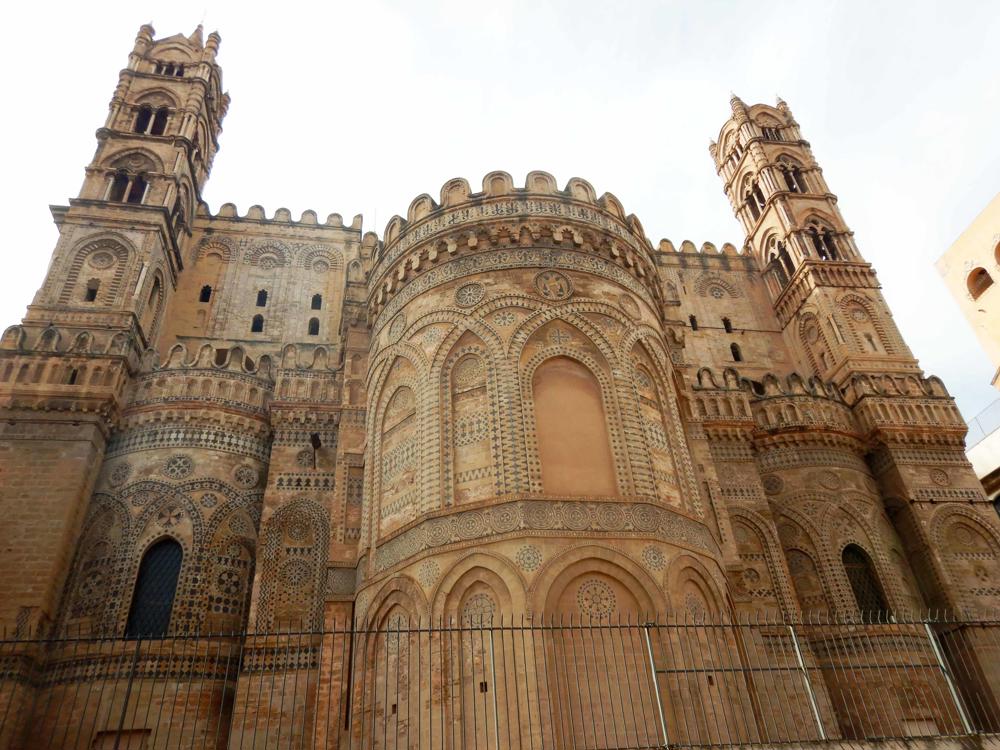
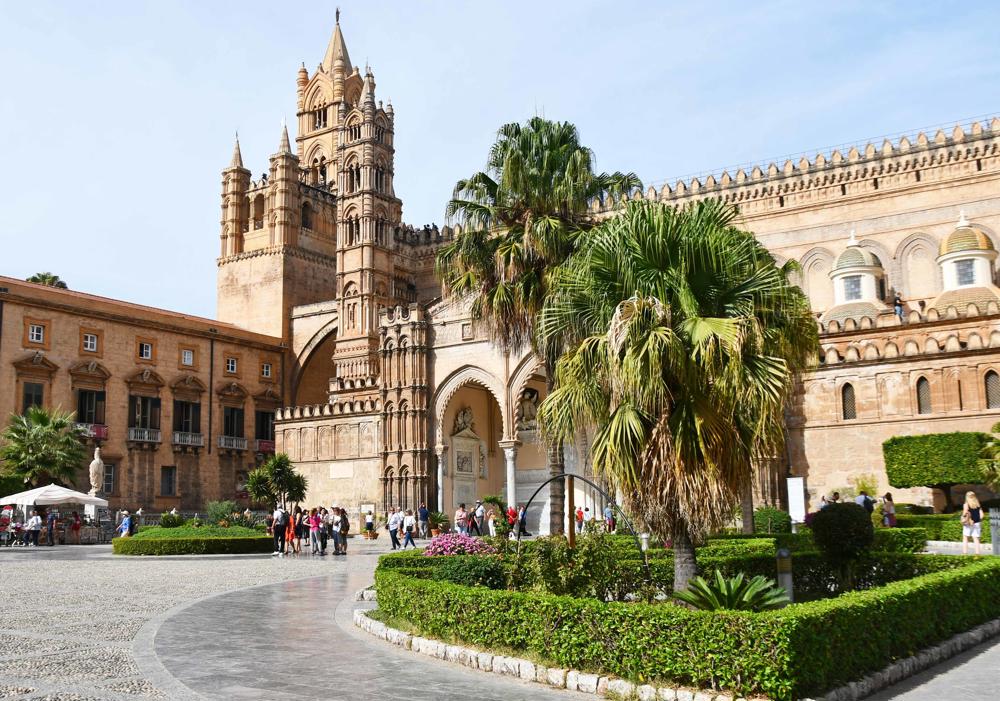
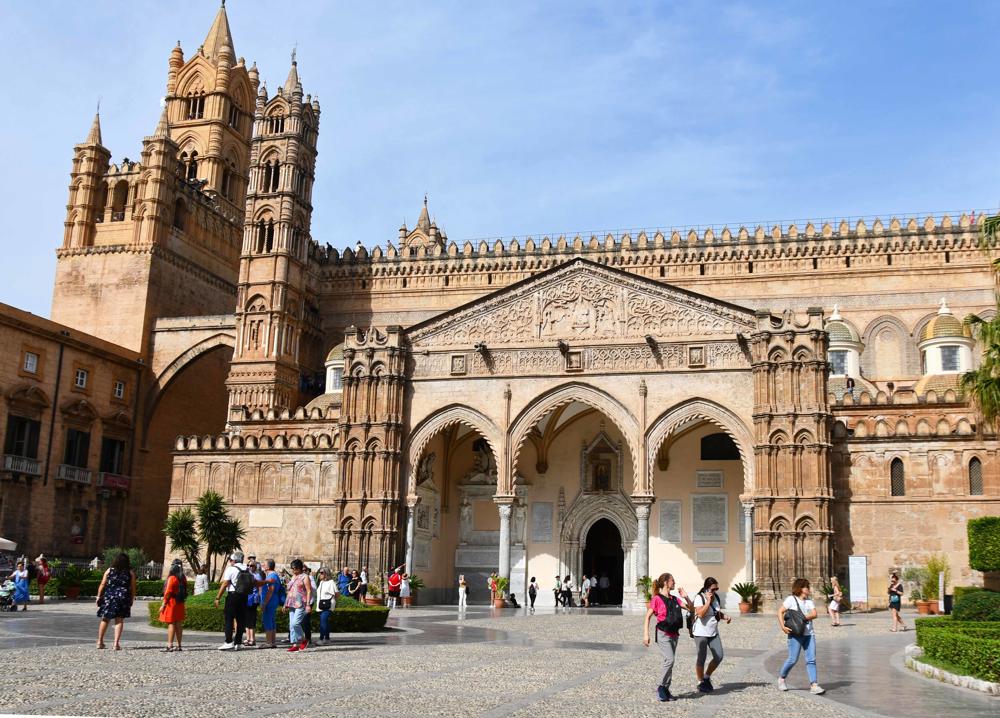
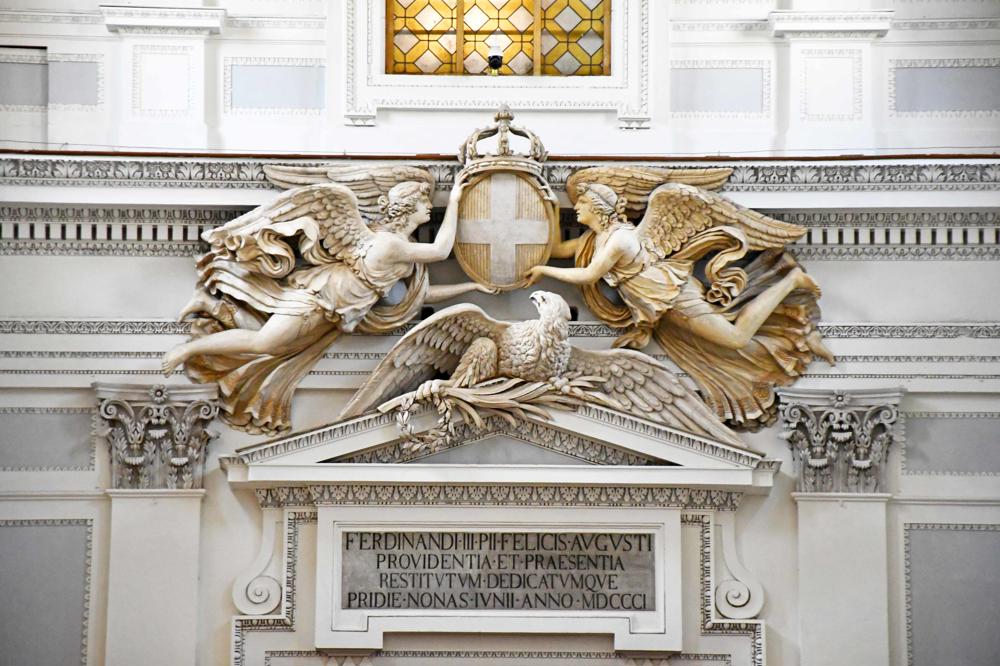
Cattedrale di Palermo
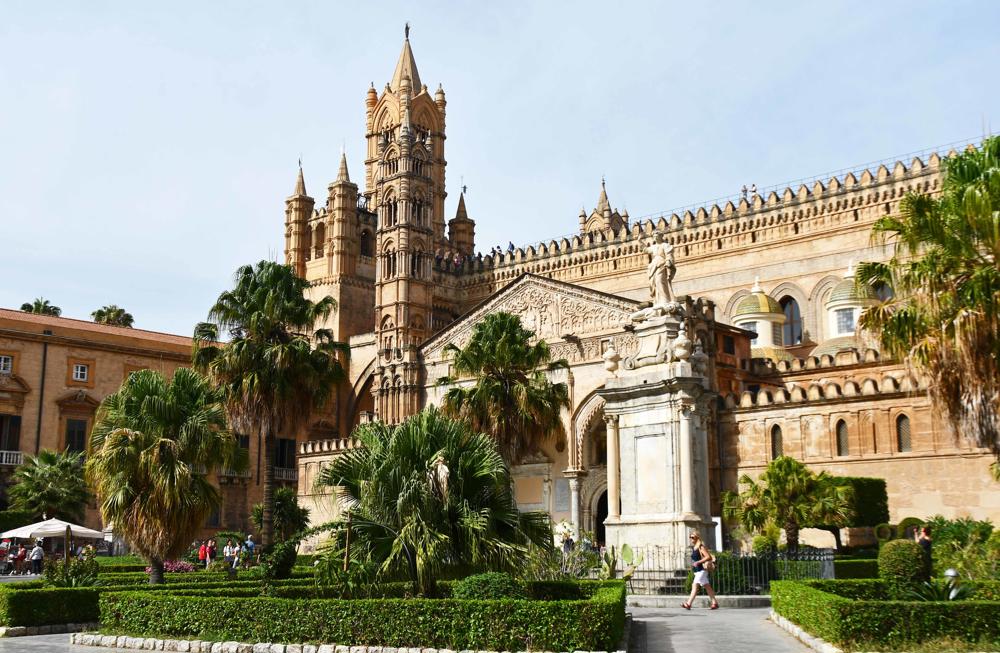
Cattedrale Metropolitana della Santa Vergine Maria Assunta (Metropolitan Cathedral of the Assumption of Virgin Mary), started in 1185





Chiesa di San Domenico

The Church of San Domenico was built in 1640 in the Baroque style and sits in the piazza of the same name. It is a top tourist spot in Palermo.

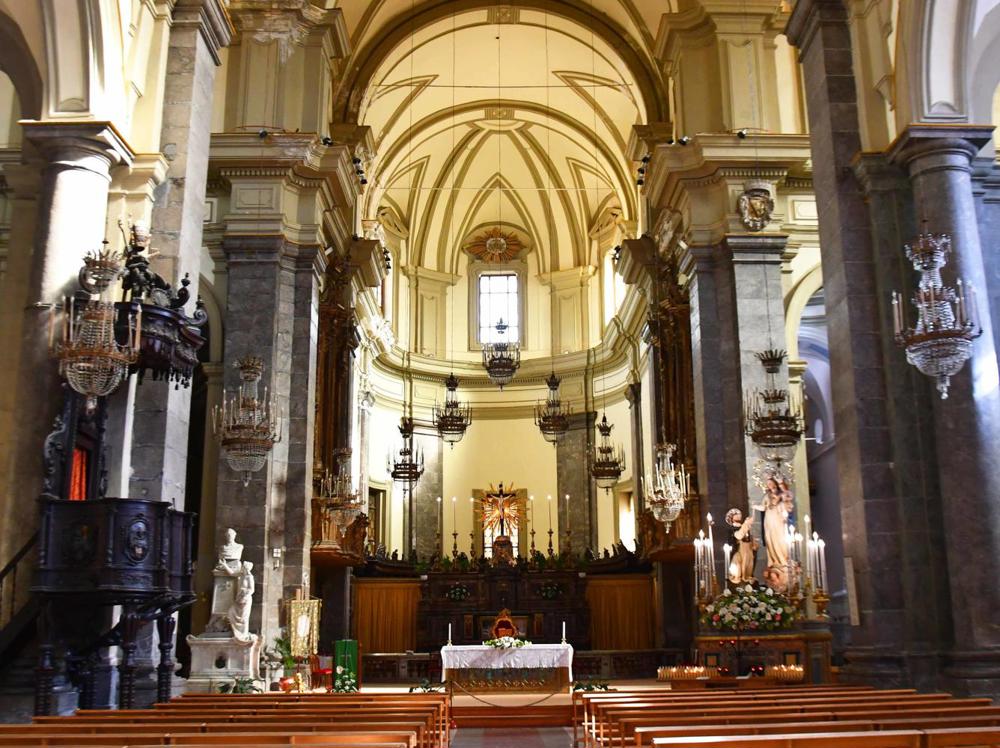
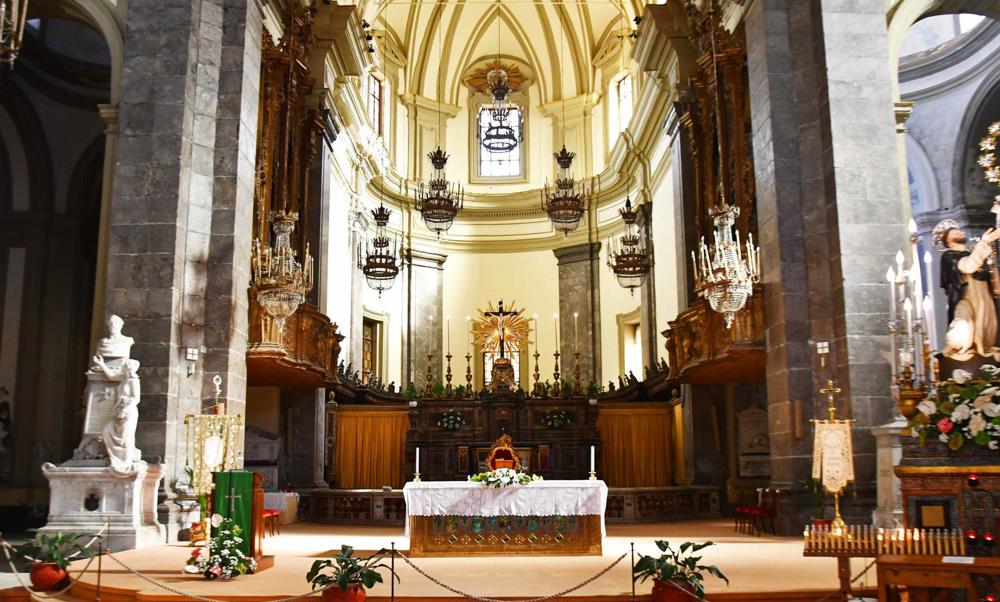
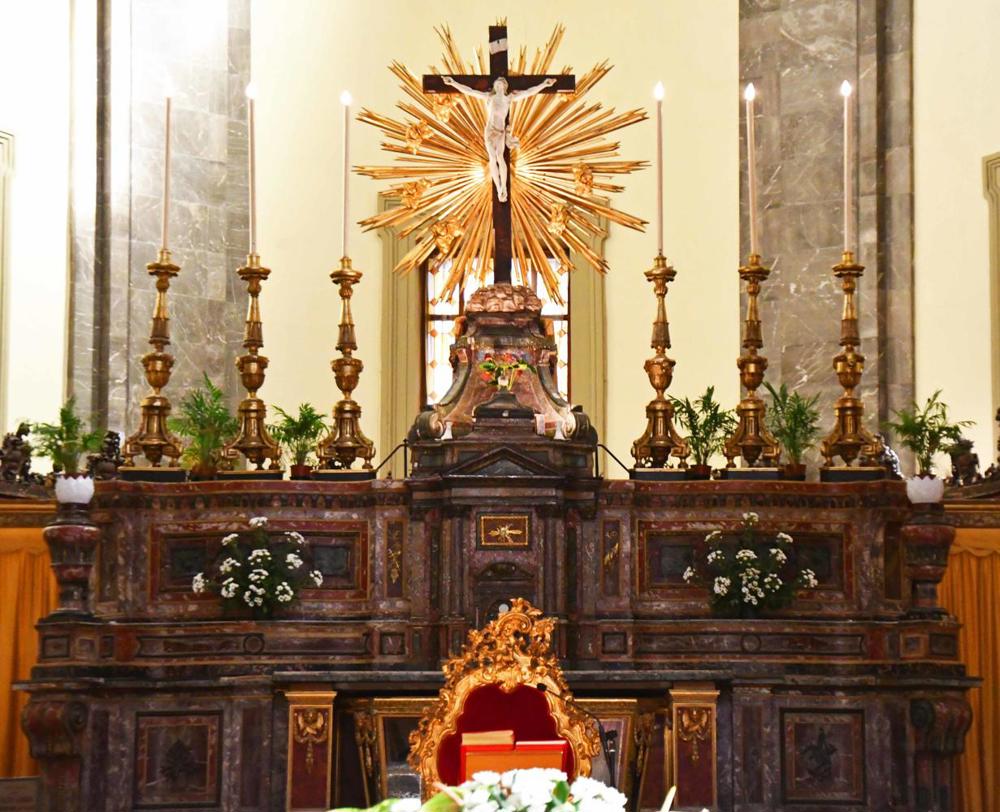
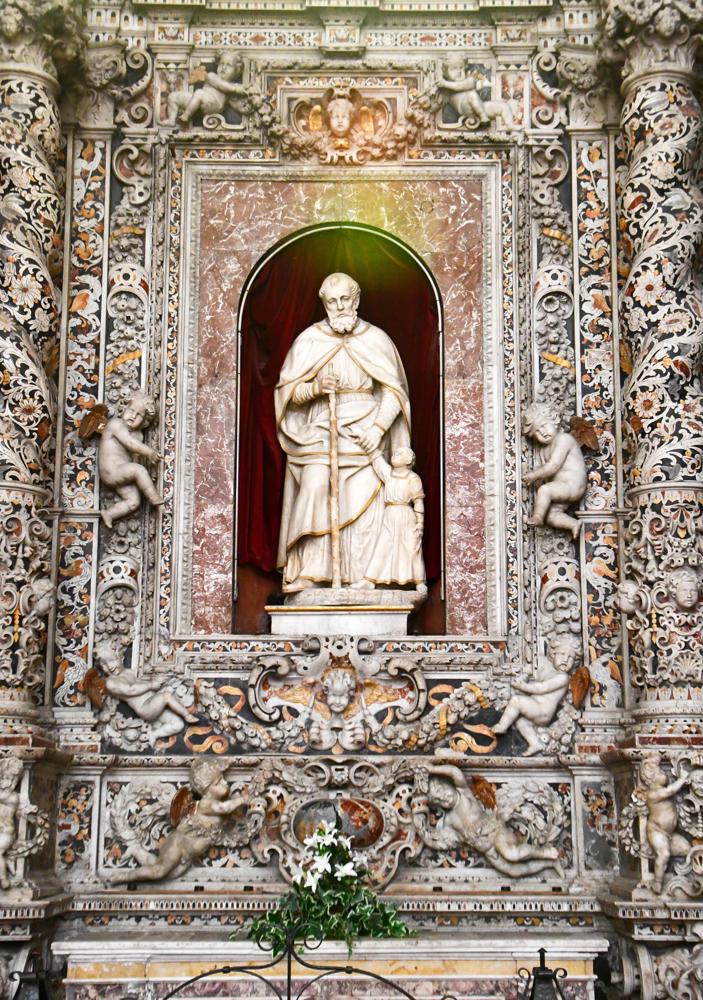
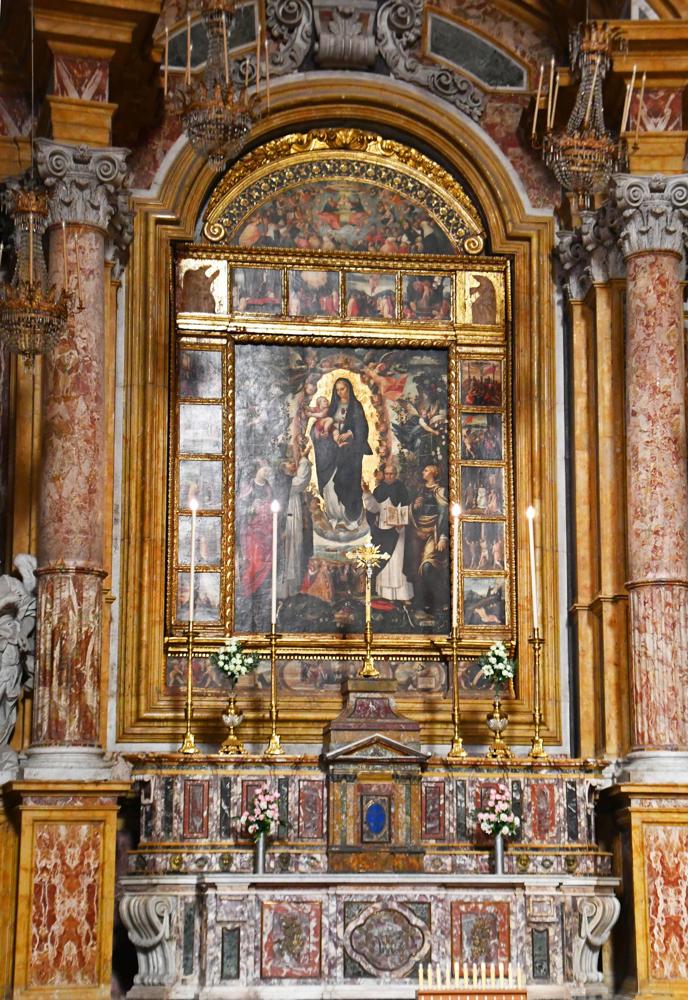


Chiesa di Santa Ninfa
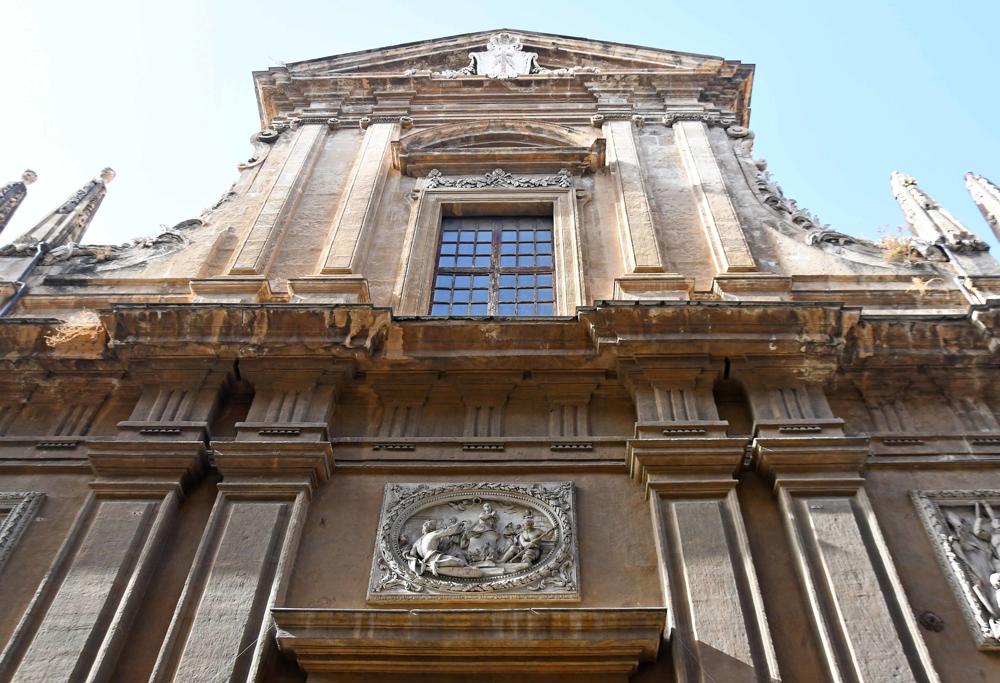
This beautiful church is dedicated to one of the patron saints of Palermo, Saint Ninfa. It is one of the first buildings that was built in 1601 after the opening of Via Maqueda, the second most important street of the city.

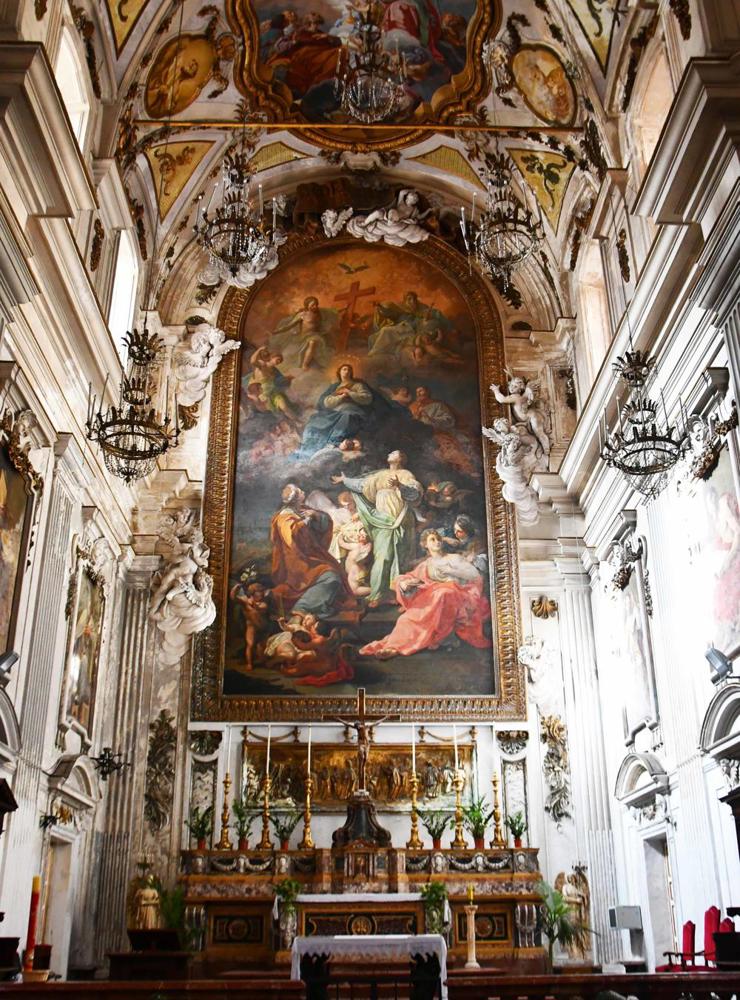


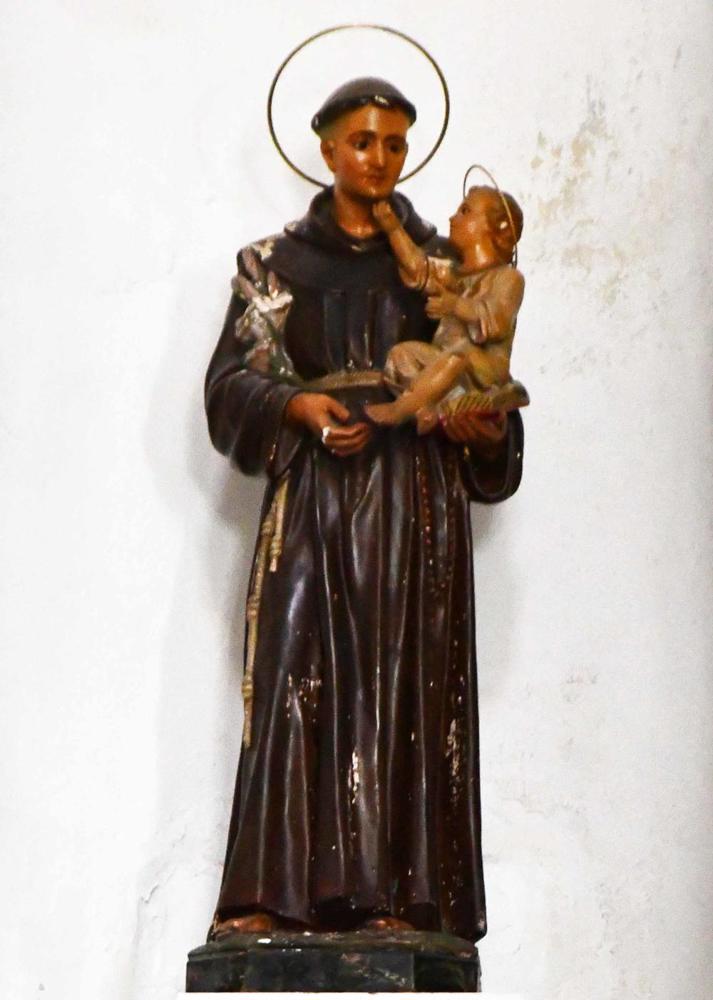
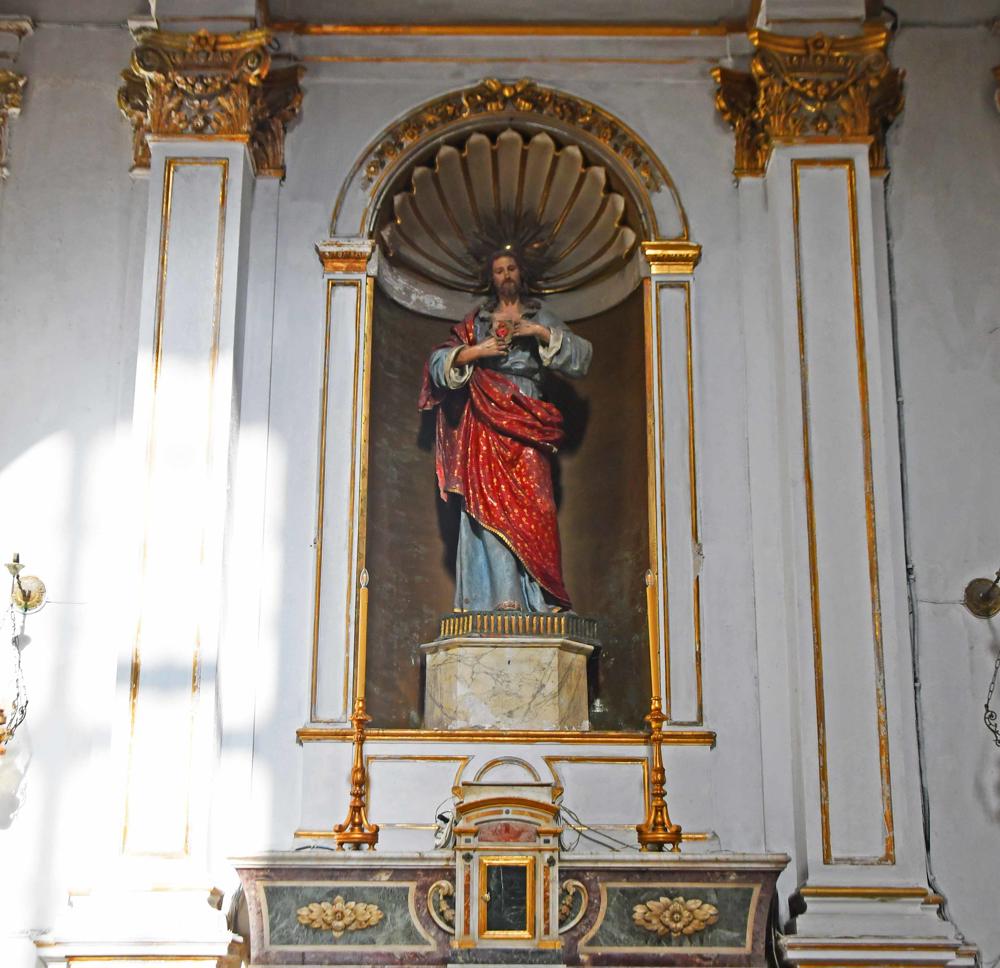

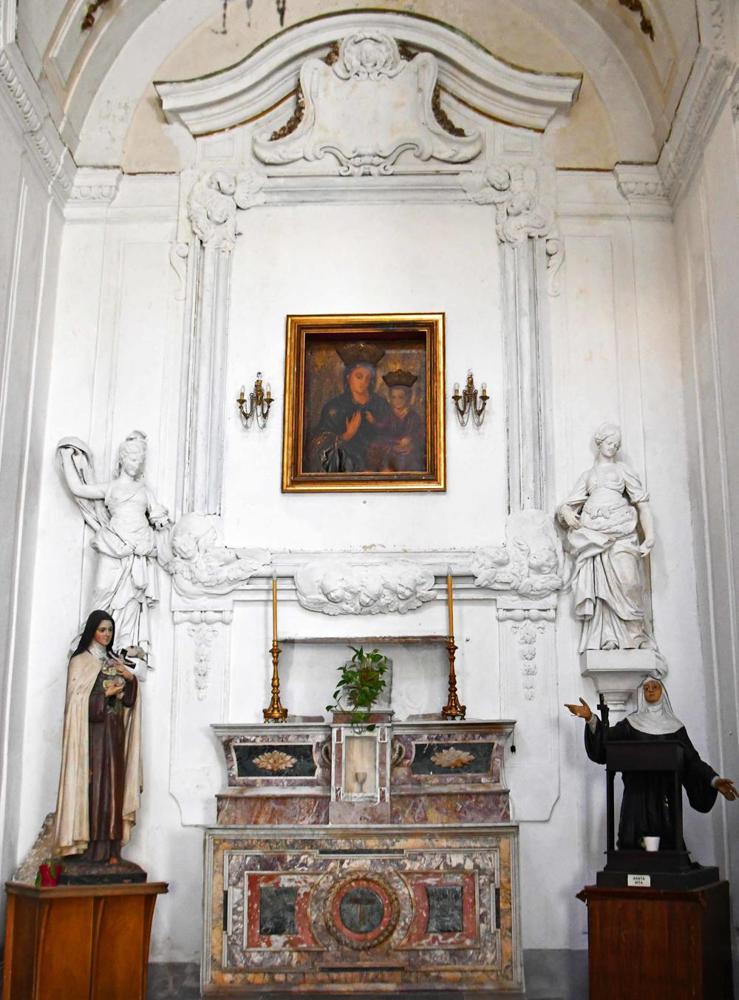
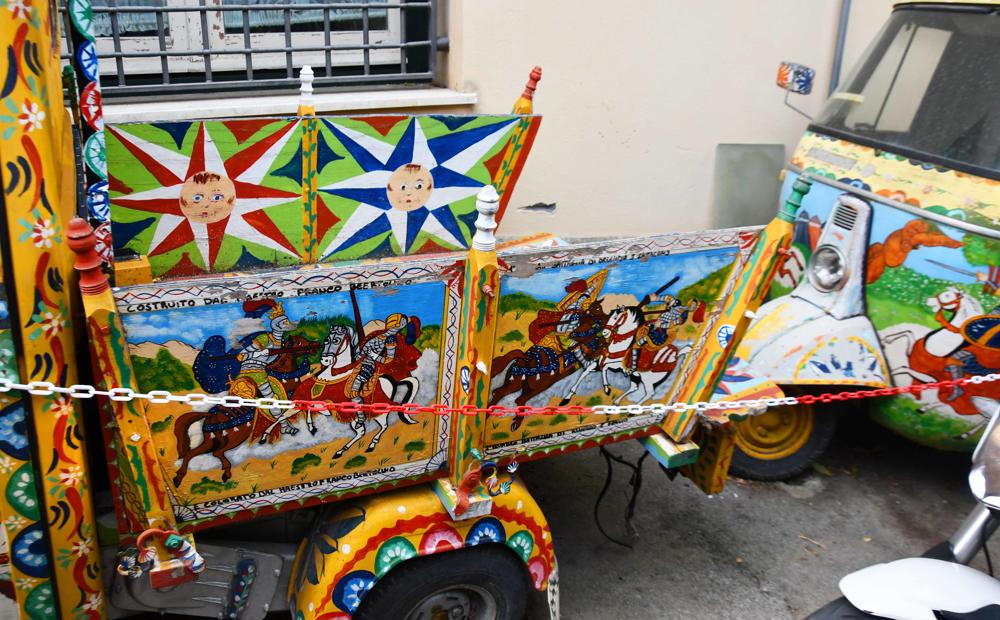
Ape Colissimo Art
Artwork on Ape Colissimo vehicles - many call them "tuktuks" but they have been built in Italy by Piaggio since 1948

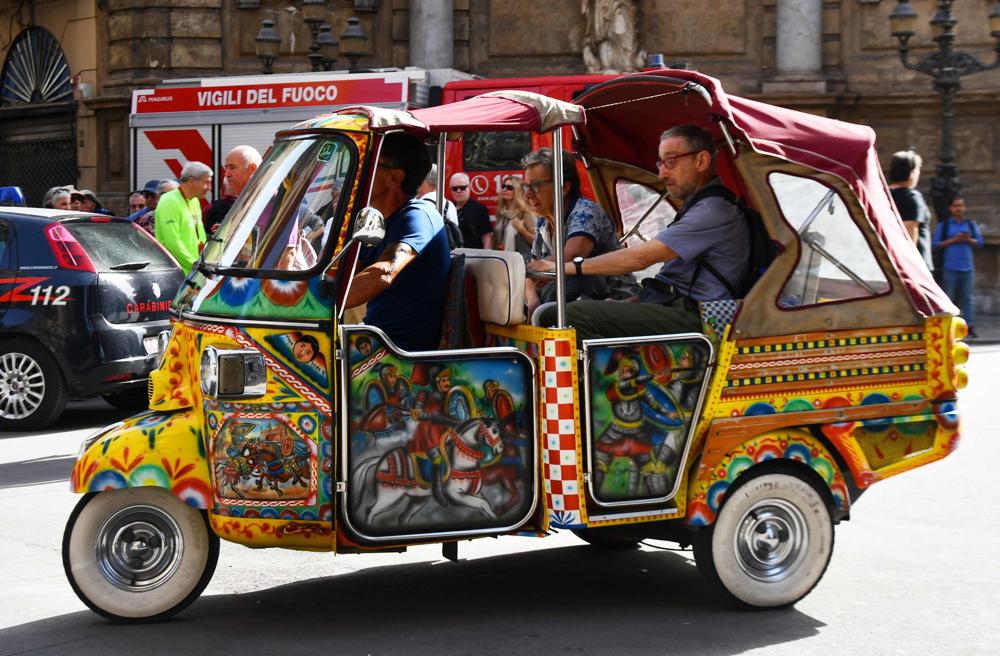
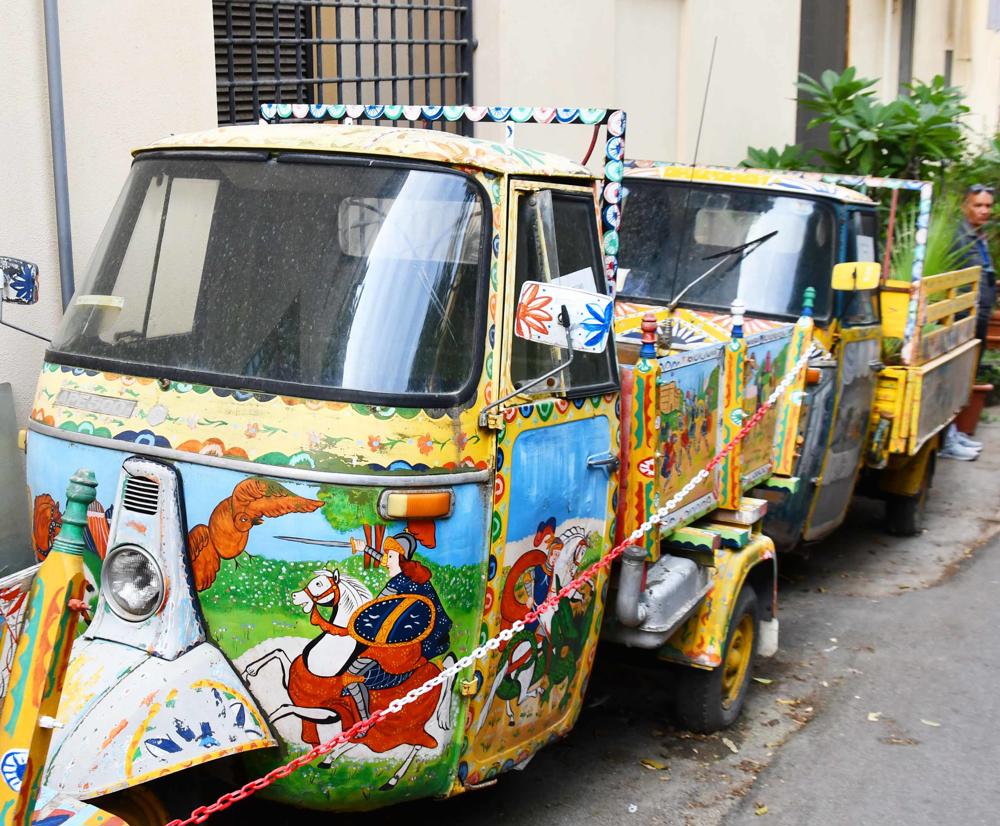

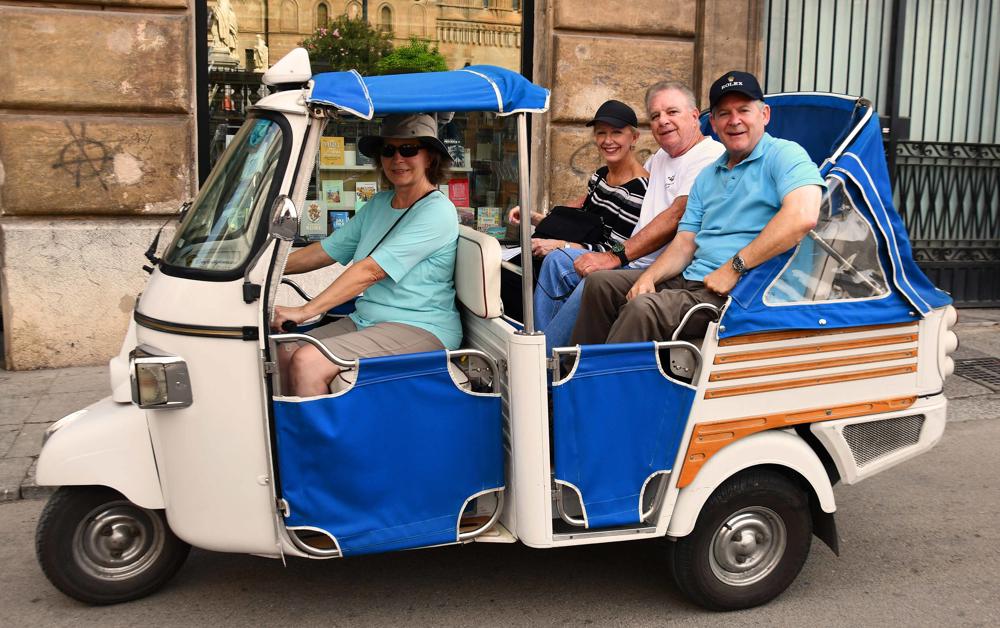
...and not to be outdone!