2024

Harbor entrance
Zadar, a city on Croatia’s Dalmatian coast, is known for the Roman and Venetian ruins of its peninsular Old Town. There are several Venetian gates in the city walls. The bombing of Zadar during the Second World War by the Allies lasted from November 1943 to October 1944. The lament: "Over the course of the bombing, 80 percent of the city's buildings were destroyed. "It is the most significant historical event in Zadar after the siege of Zadar in 1202 by forces of the Fourth Crusade."
Spare me - you bomb where the enemy is. Would you rather the Germans were still in charge?

Land gate with Venetian lion

Land gate with Venetian lion

St Chrysogonus gate

Zadar coat of arms on city fortifications wall

City fortifications wall

City fortifications wall and marina

City fortifications wall and marina
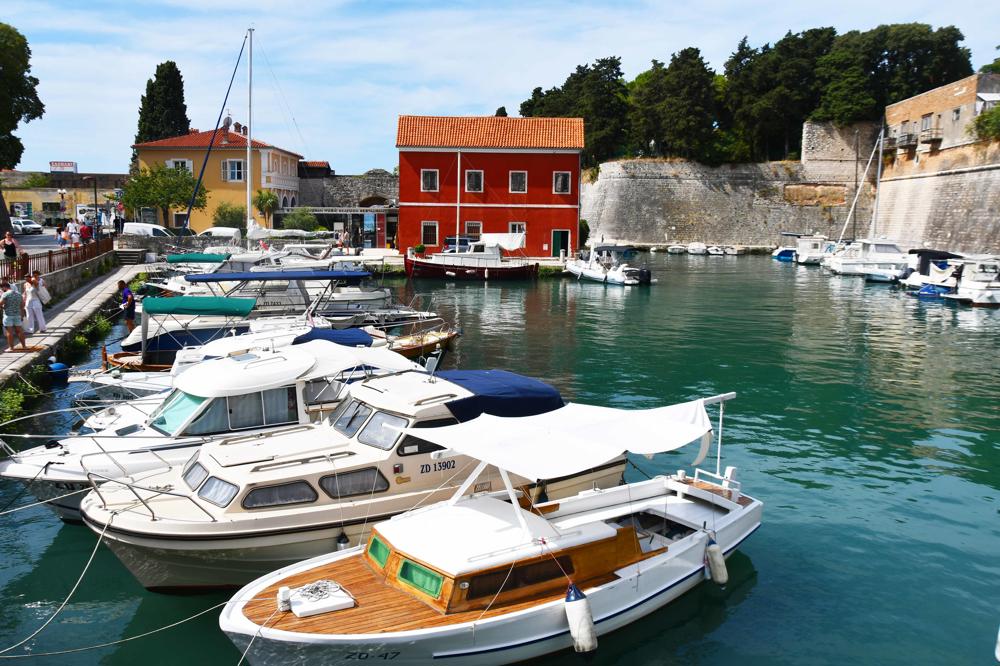
City fortifications wall and marina

City fortifications wall, now a park
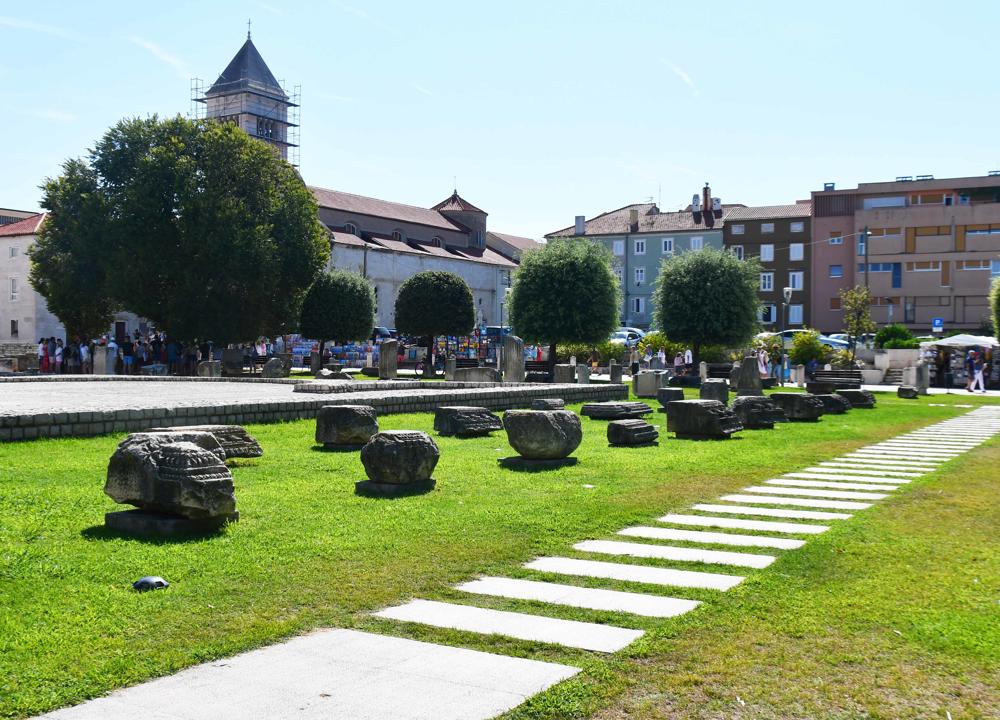
Roman forum remains
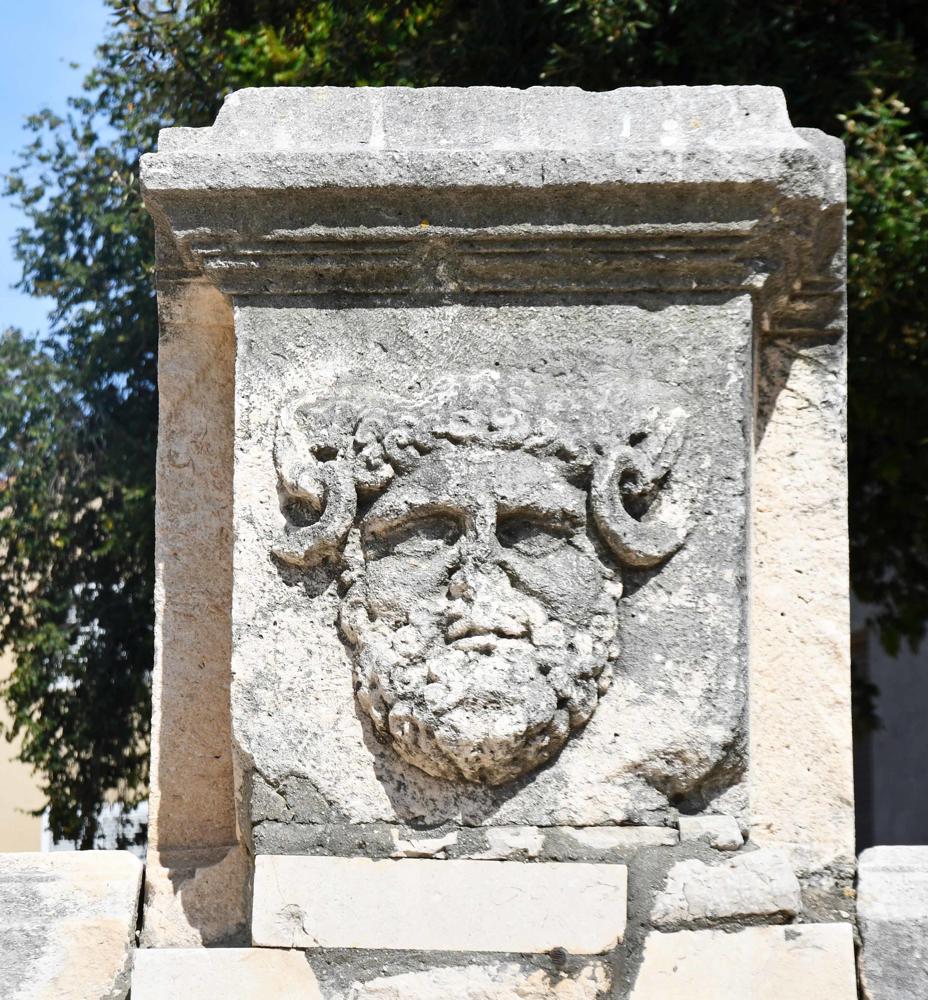
Roman forum remains
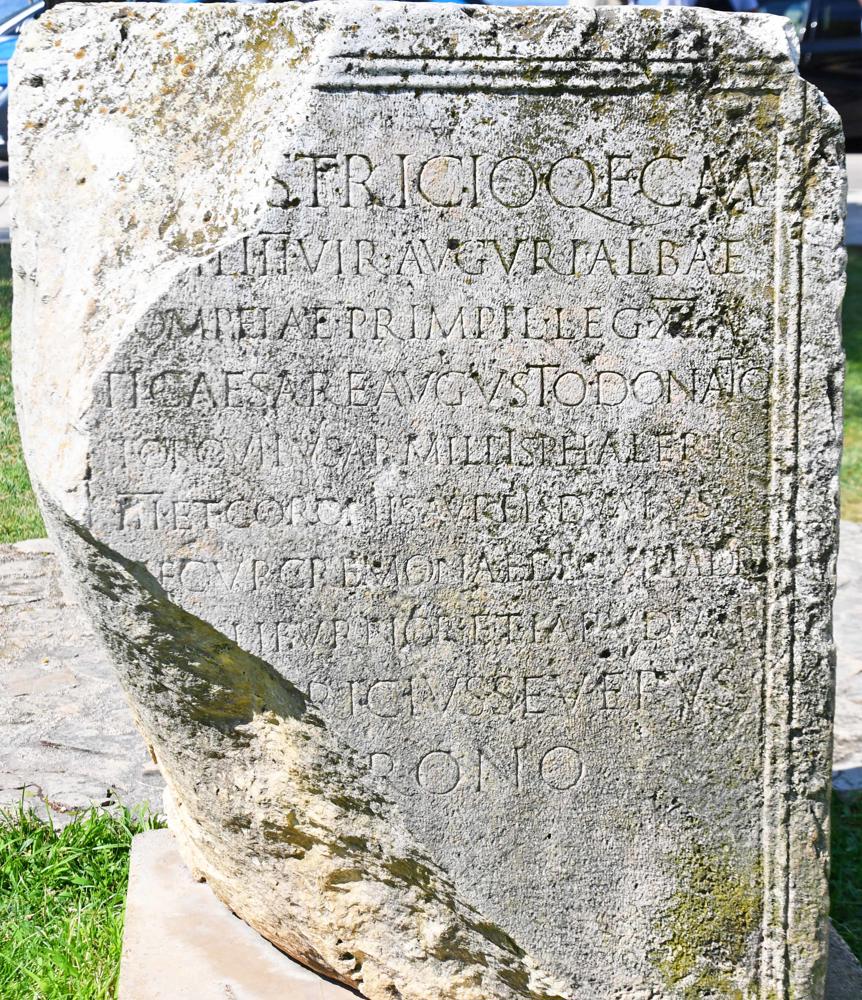
Roman forum remains
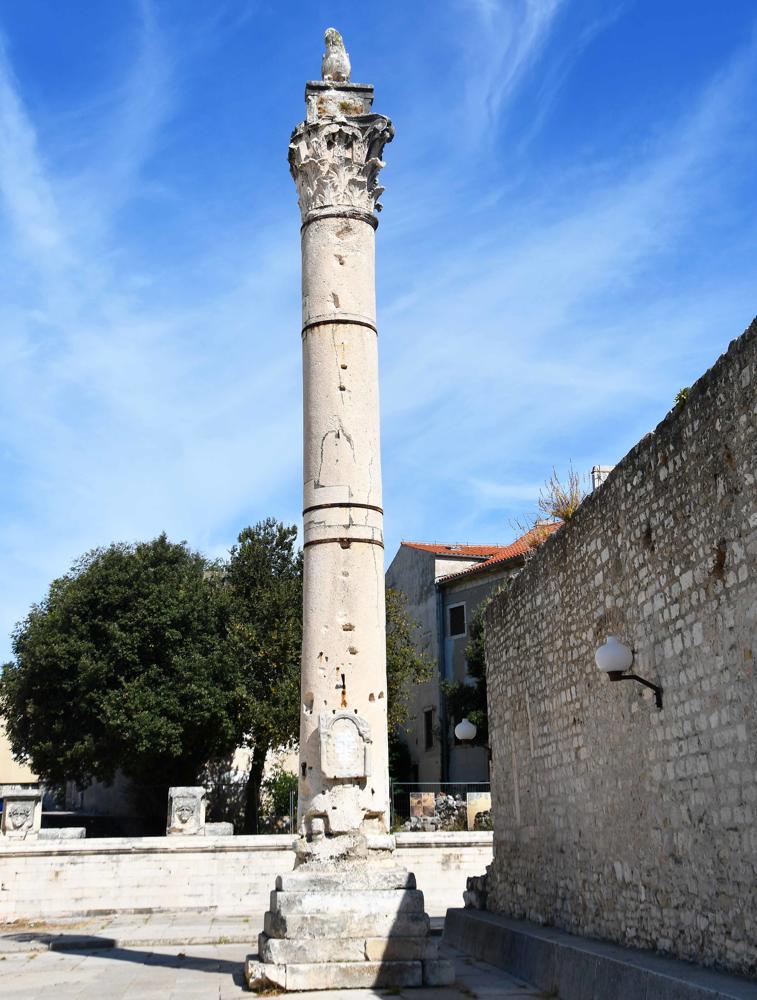
Roman forum column remains
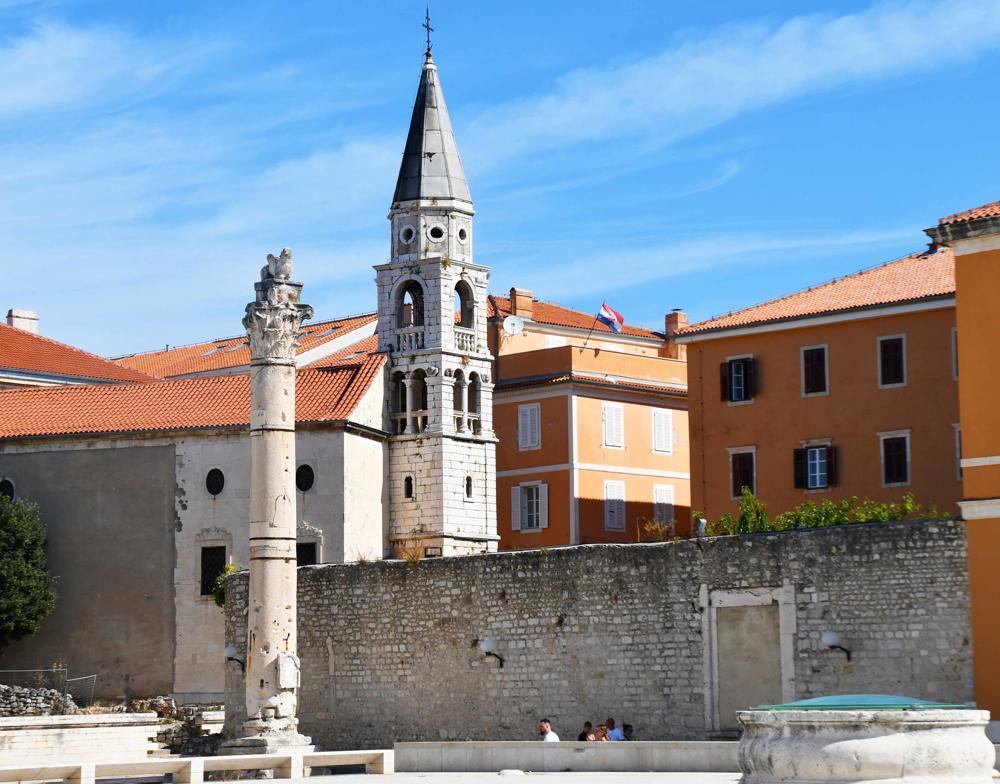
Roman forum column remains and Saint Elias (Sveti Ilija) church
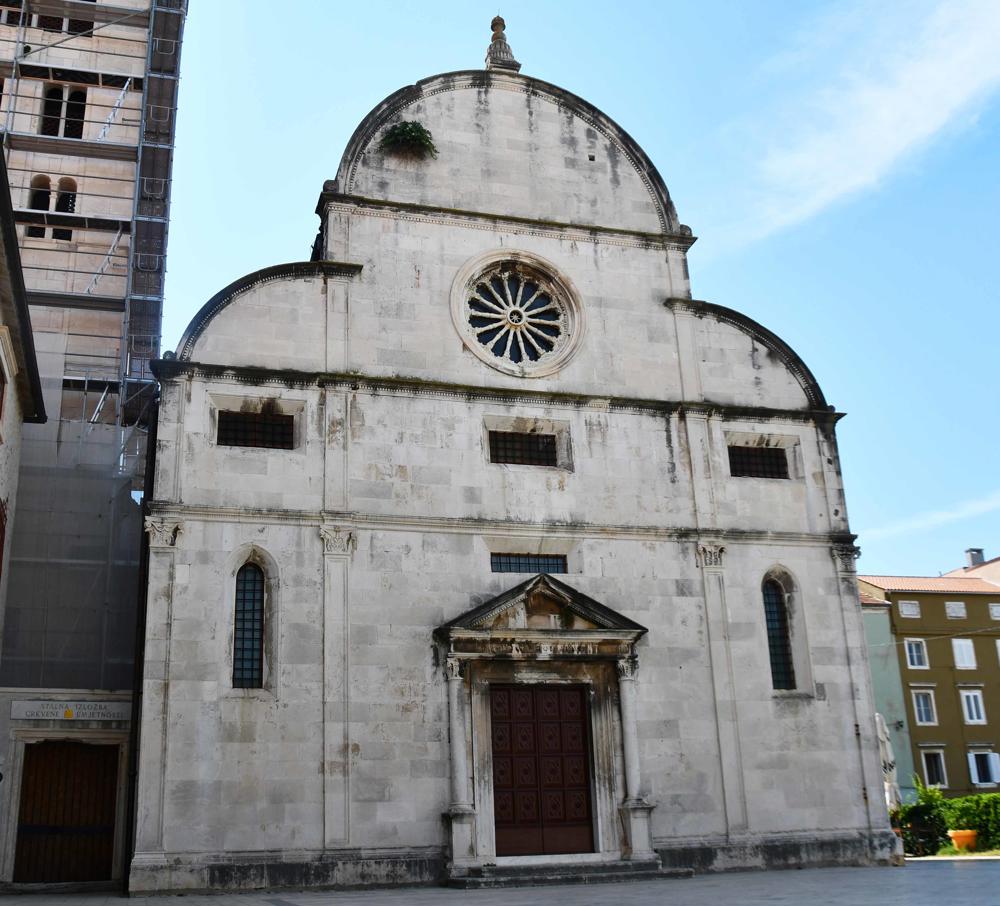
Benedictine Monastery of St Maria
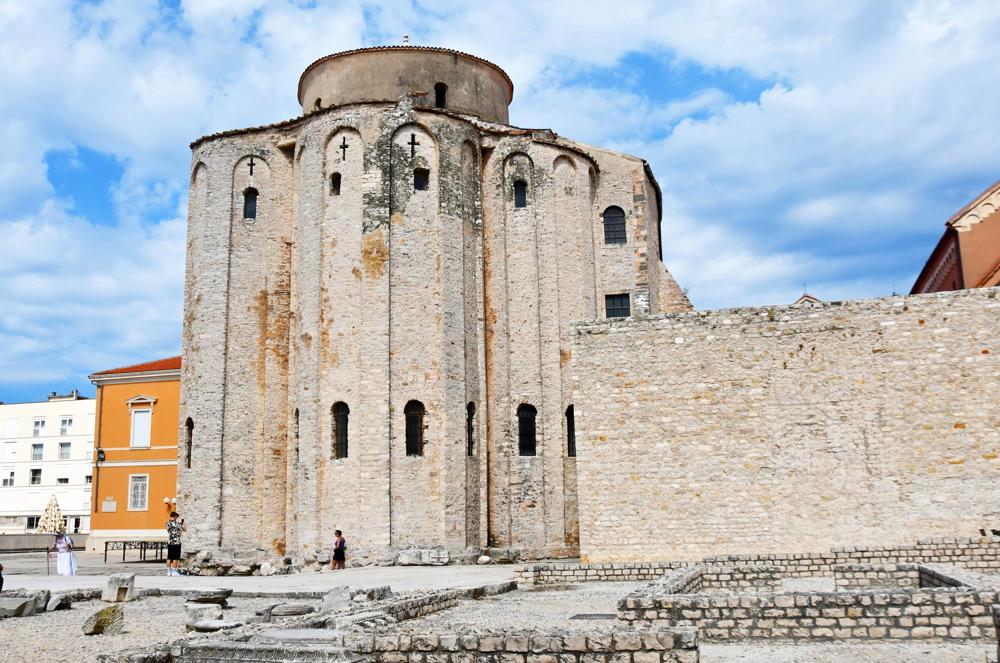
St Donatus church
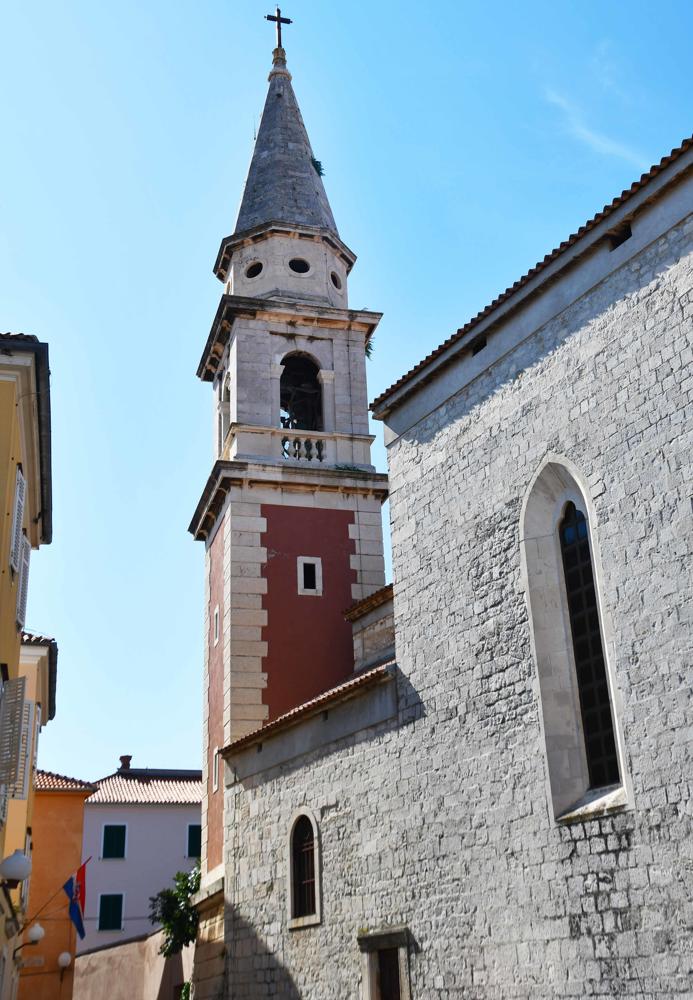
St Nicholas church
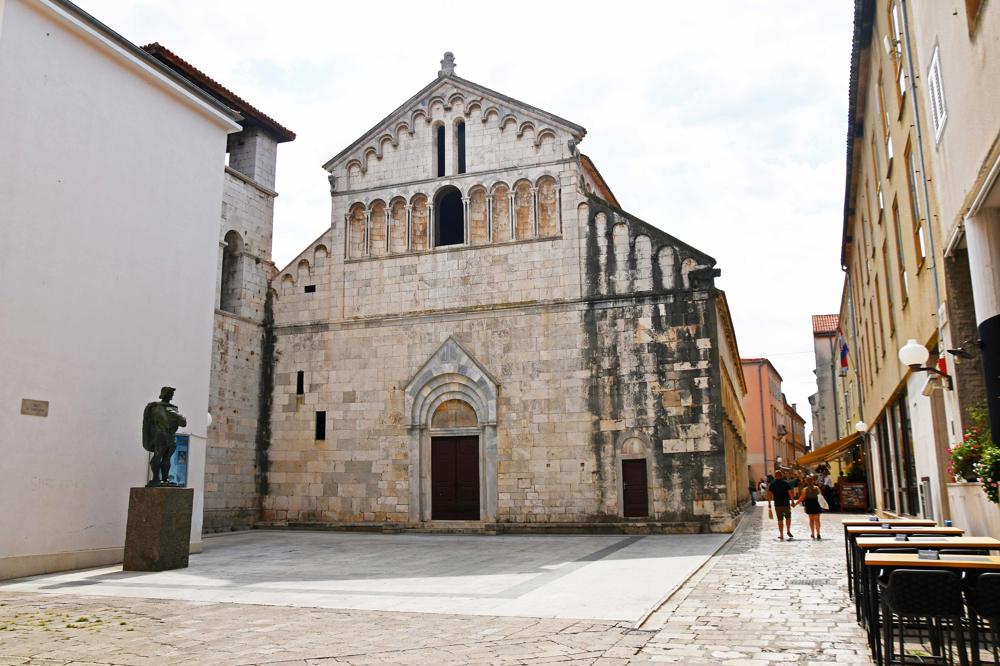
St Chrysogonus church
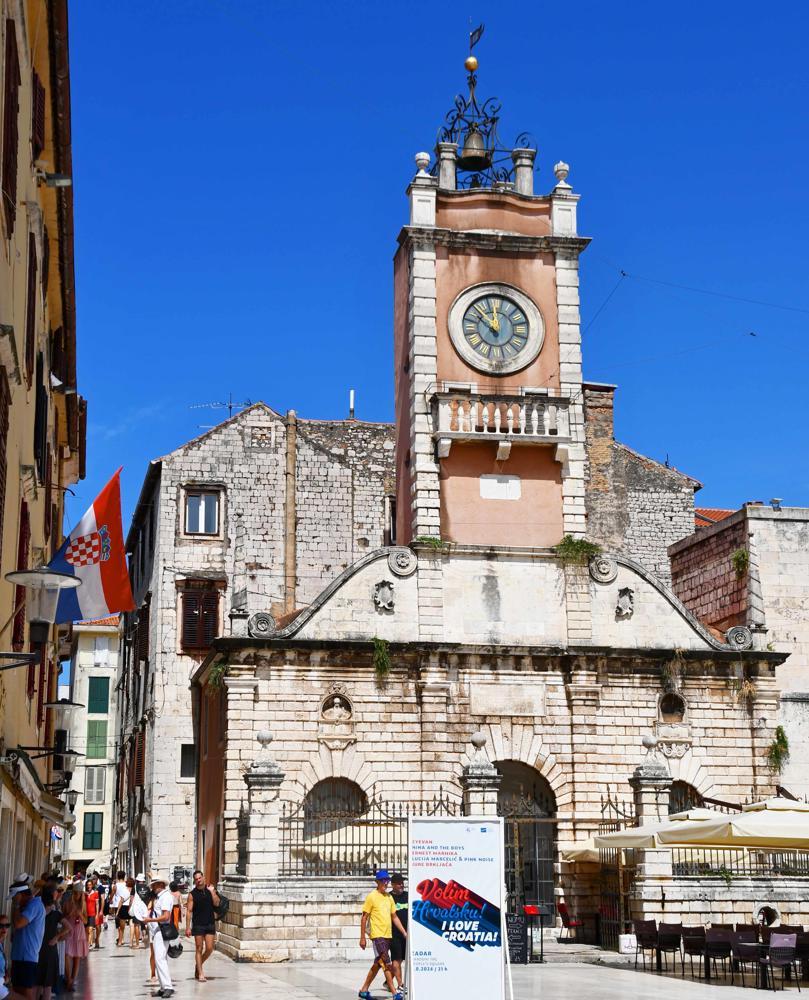
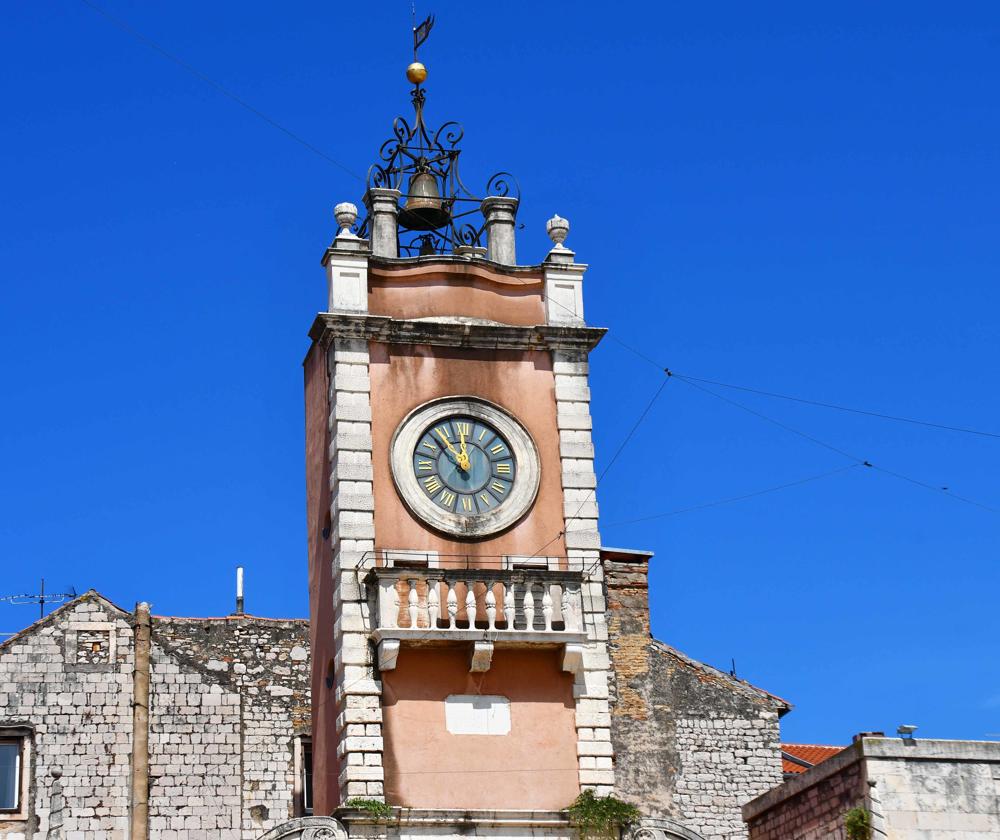
City Watchtower
City Watchtower
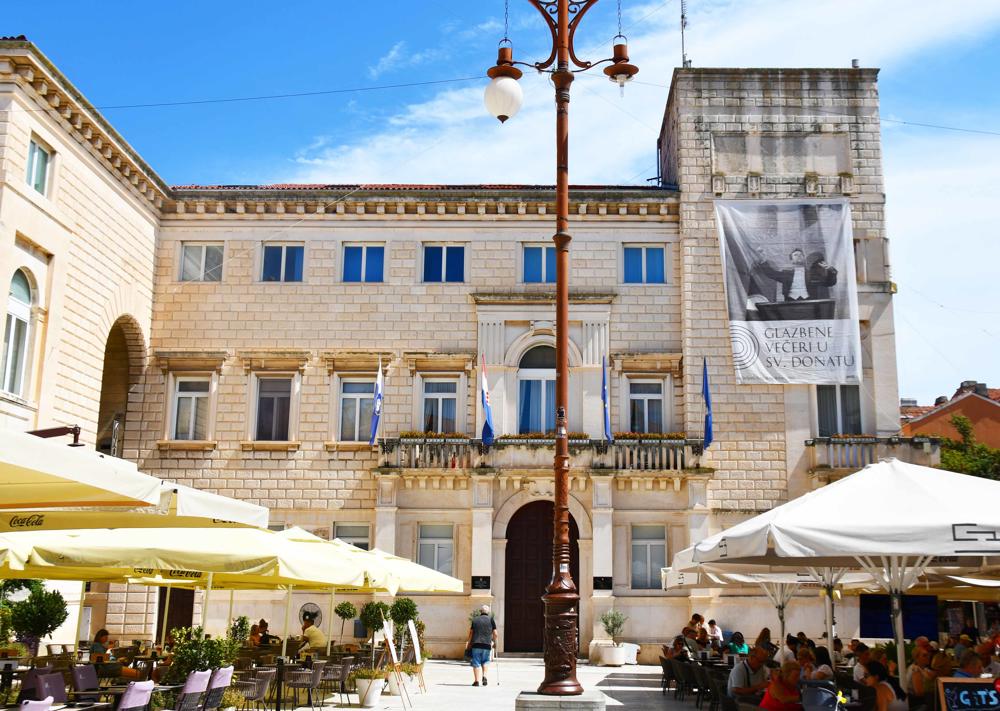
City Hall
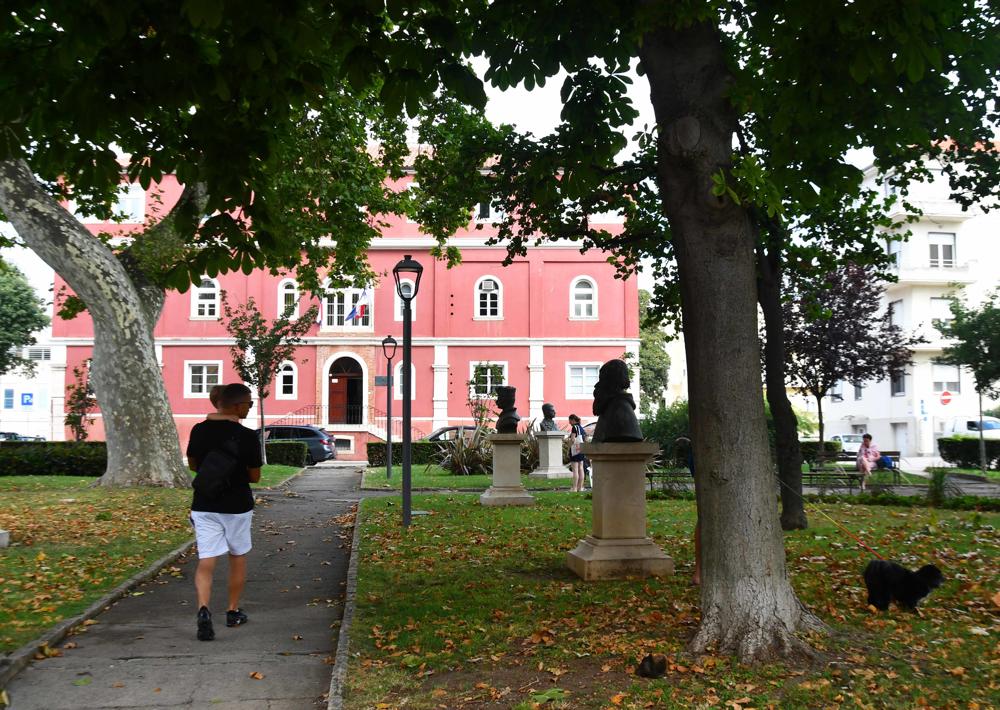
Nineteenth century palace now a maritime office
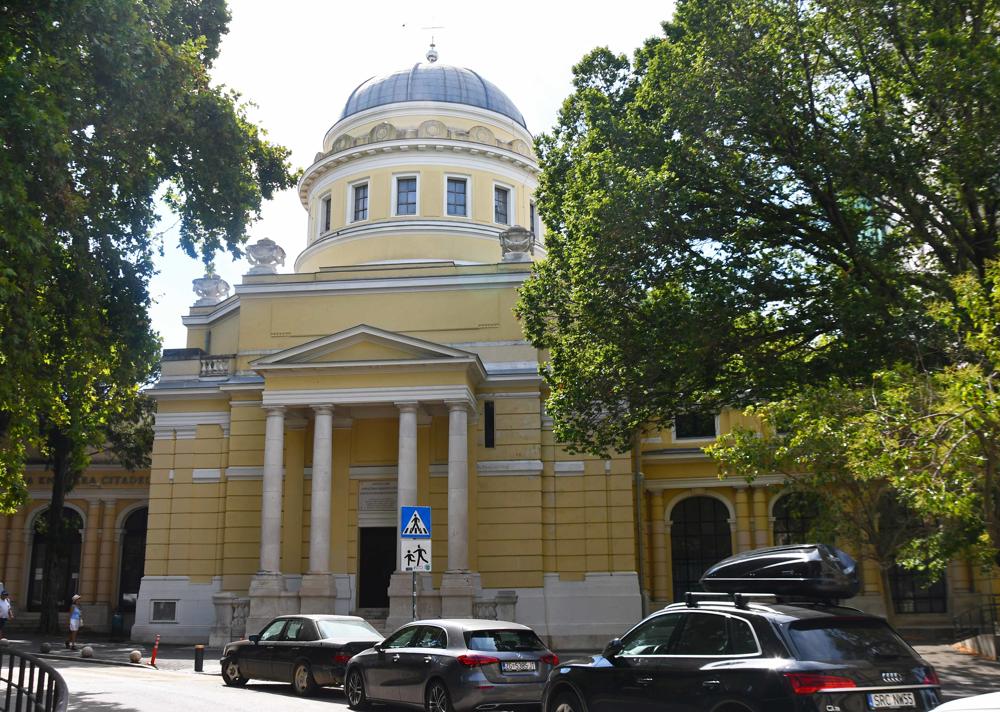
University of Zadar
University of Zadar
Roman column and Novi Caffe
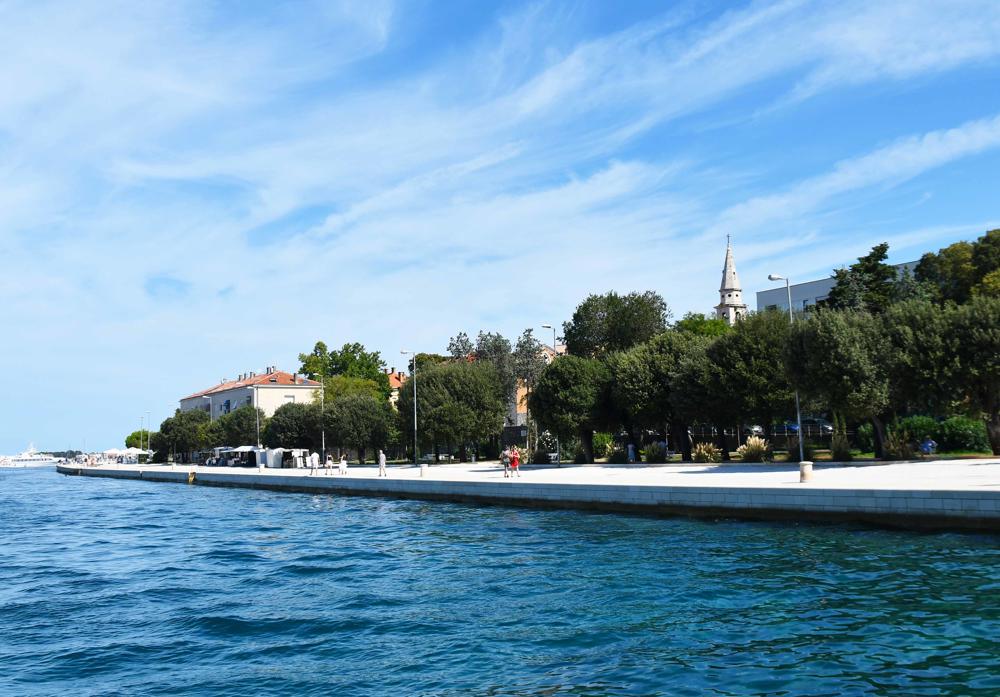
Waterfront
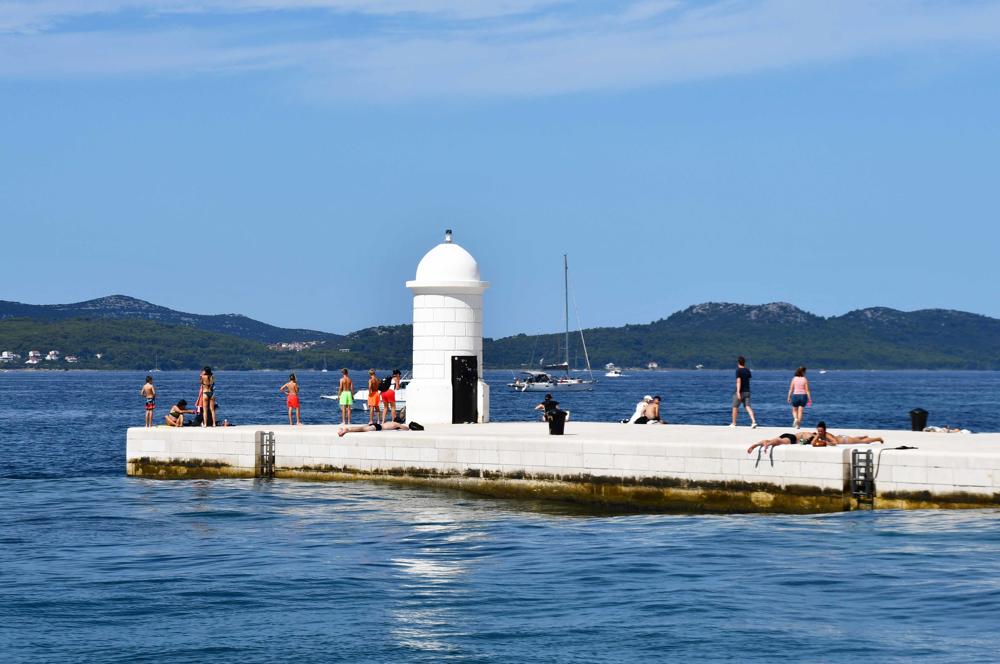
Waterfront and recreational pier



Church of St. Simeon
The church of St Simeon was originally an old Christian three-nave basilica, then a Gothic adaptation and finally an important monument of provincial baroque. This church was mentioned for the first time in 1190. but most of it originates from the 16th and 17th centuries. The facade, as it is now, was finished in 1632. and the bell tower was built in 1707.
The Chest of St Simeon - relics of the saint are in the chest and a draw of local pilgrims
The Chest of St Simeon - relics of the saint are in the chest
The Chest of St Simeon - relics of the saint are in the chest


Cathedral of St. Anastasia

The Cathedral of St. Anastasia is the The Roman Catholic cathedral of Zadar, Croatia, seat of the Archdiocese of Zadar, and the largest church in all of Dalmatia. The church's origins date back to a Christian basilica built in the 4th and 5th centuries, while much of the currently standing three-nave building was constructed in the Romanesque style during the 12th and 13th centuries.
Belltower from the main street
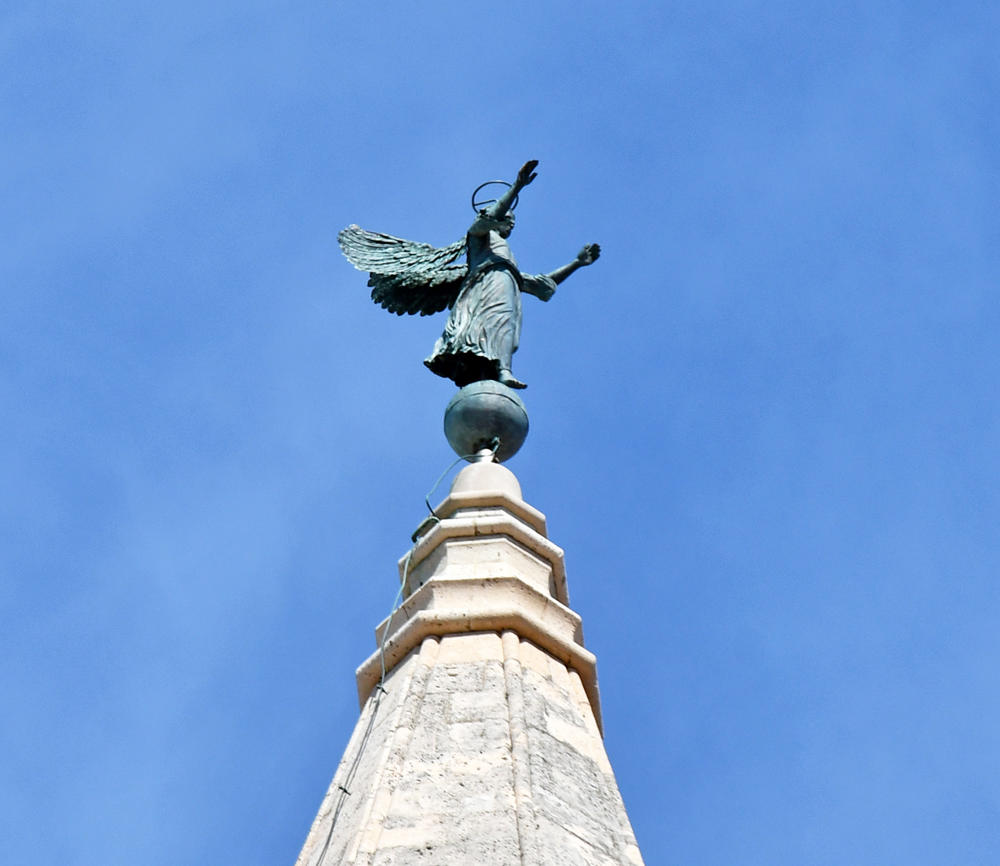
Angel on belltower
Entrance to crypt - I like the juxtaposition of a Christian saint and what is probably a Hindu visitor
Relics of St. Anastasia



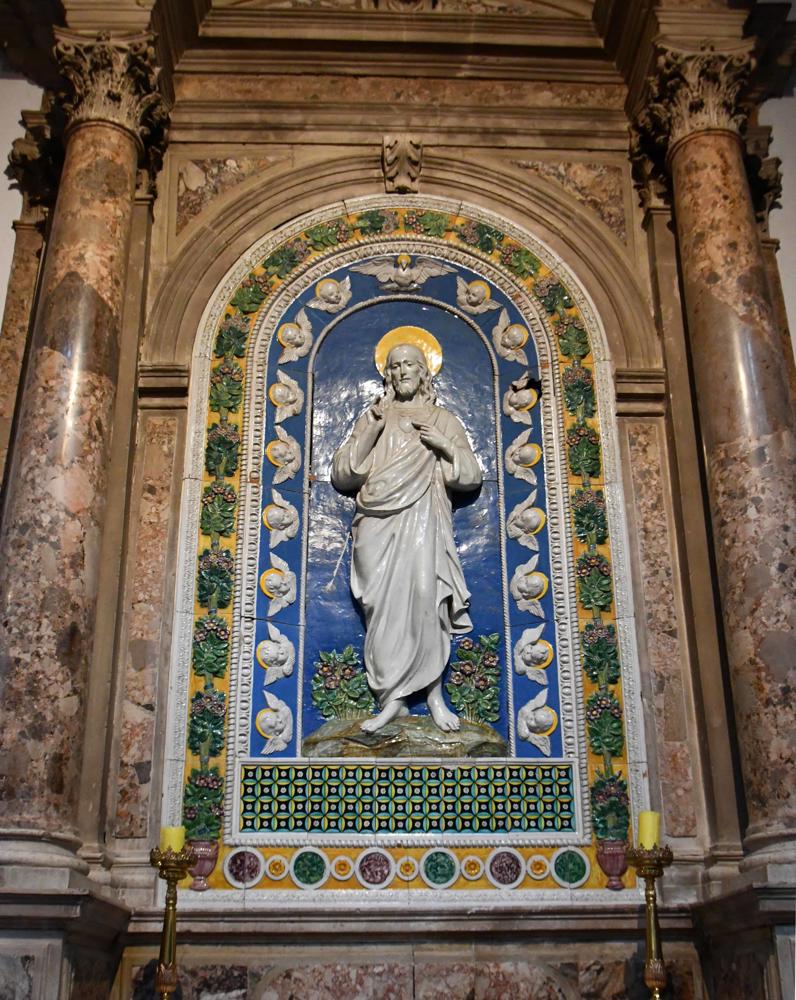


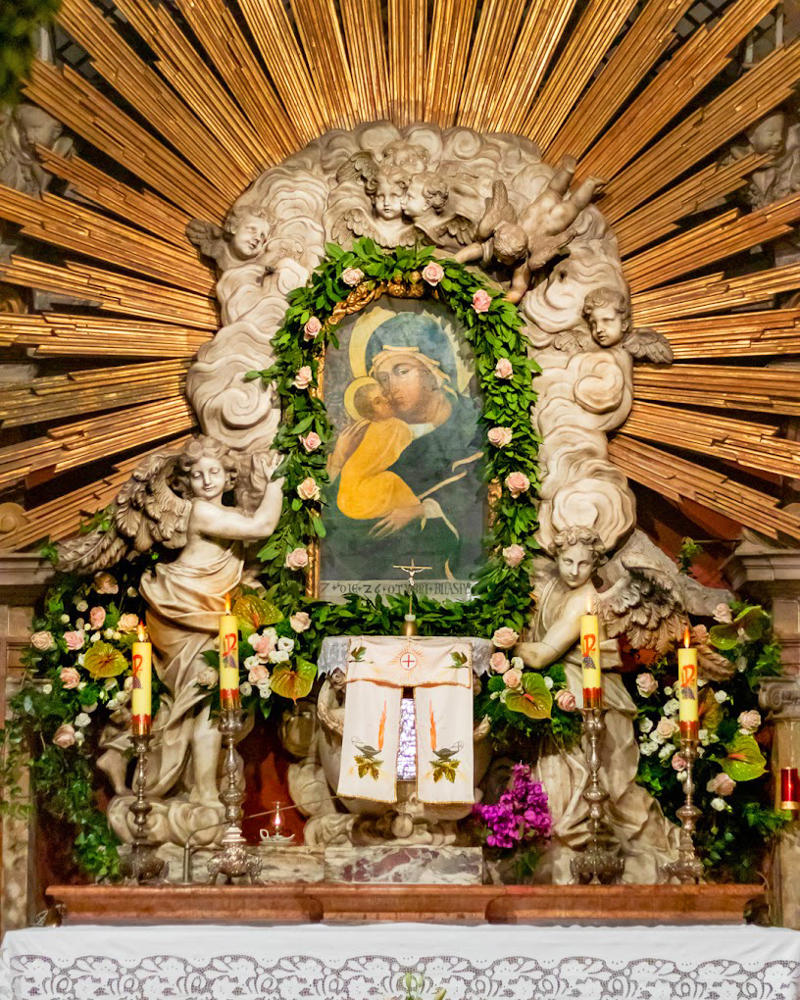
Church of Our Lady of Health
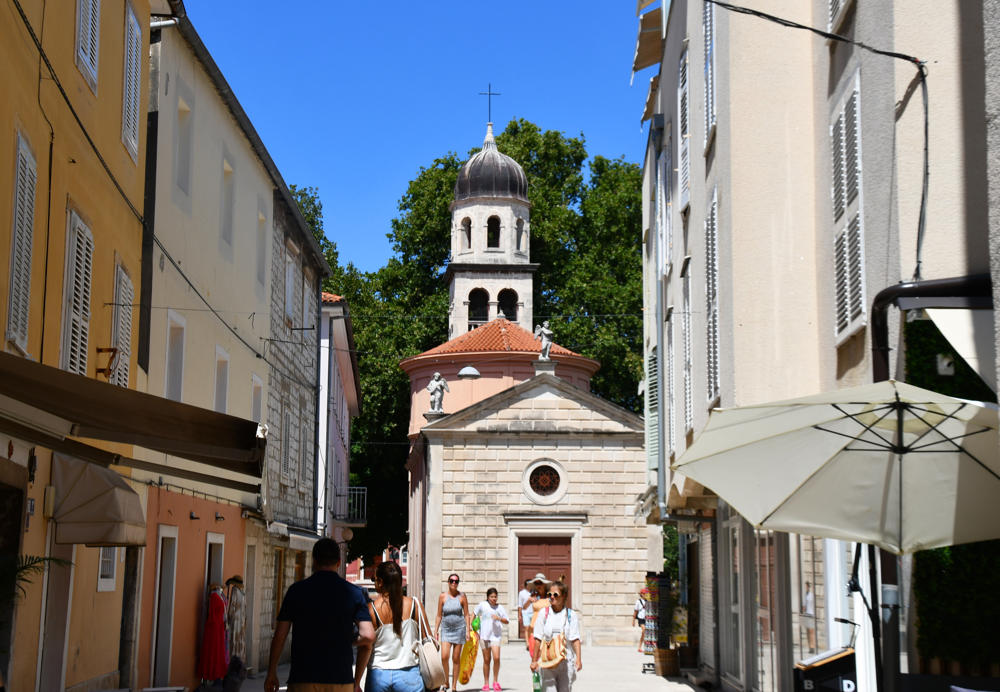
Built in 1703 on the site of two much older churches. In 1752, a large fire broke out in the Zadar Arsenal, the gunpowder warehouse of the Navy of the Venetian Republic, in fear of the fire, the people of Zadar called on Our Lady of Health. A memorial plaque, carved in stone, which described the event in detail and on which gratitude was written was destroyed in a bombing by Allied forces during World War II.